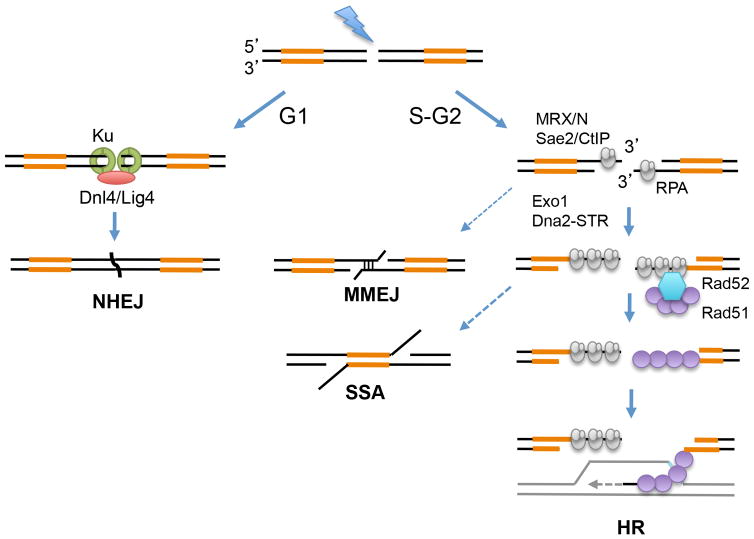
Double Strand Breaks (DSB) Repair
DSBs are repaired by an end joining mechanism or by homologous recombination (HR).
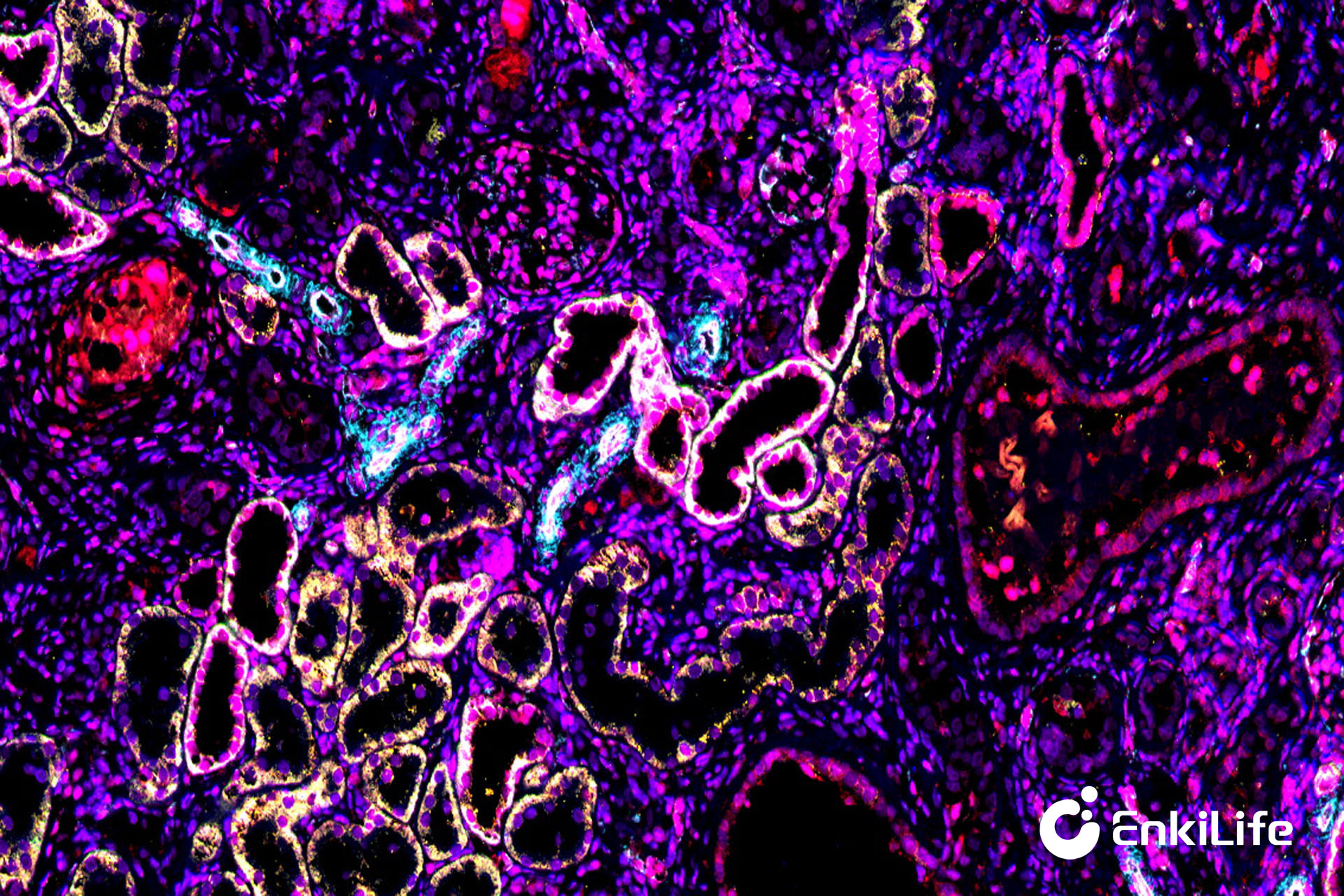
Our TSA kit has a full range of product components, including TSA-labeled fluorophores, TSA dilution buffer, 3% H₂O₂, blocking solution, primary antibody dilution buffer, antibody elution buffer, HRP-goat anti-rabbit/mouse IgG, DAPI staining solution, and anti-fluorescence quenching mounting medium, providing users with a one-stop experimental solution and greatly enhancing experimental convenience.
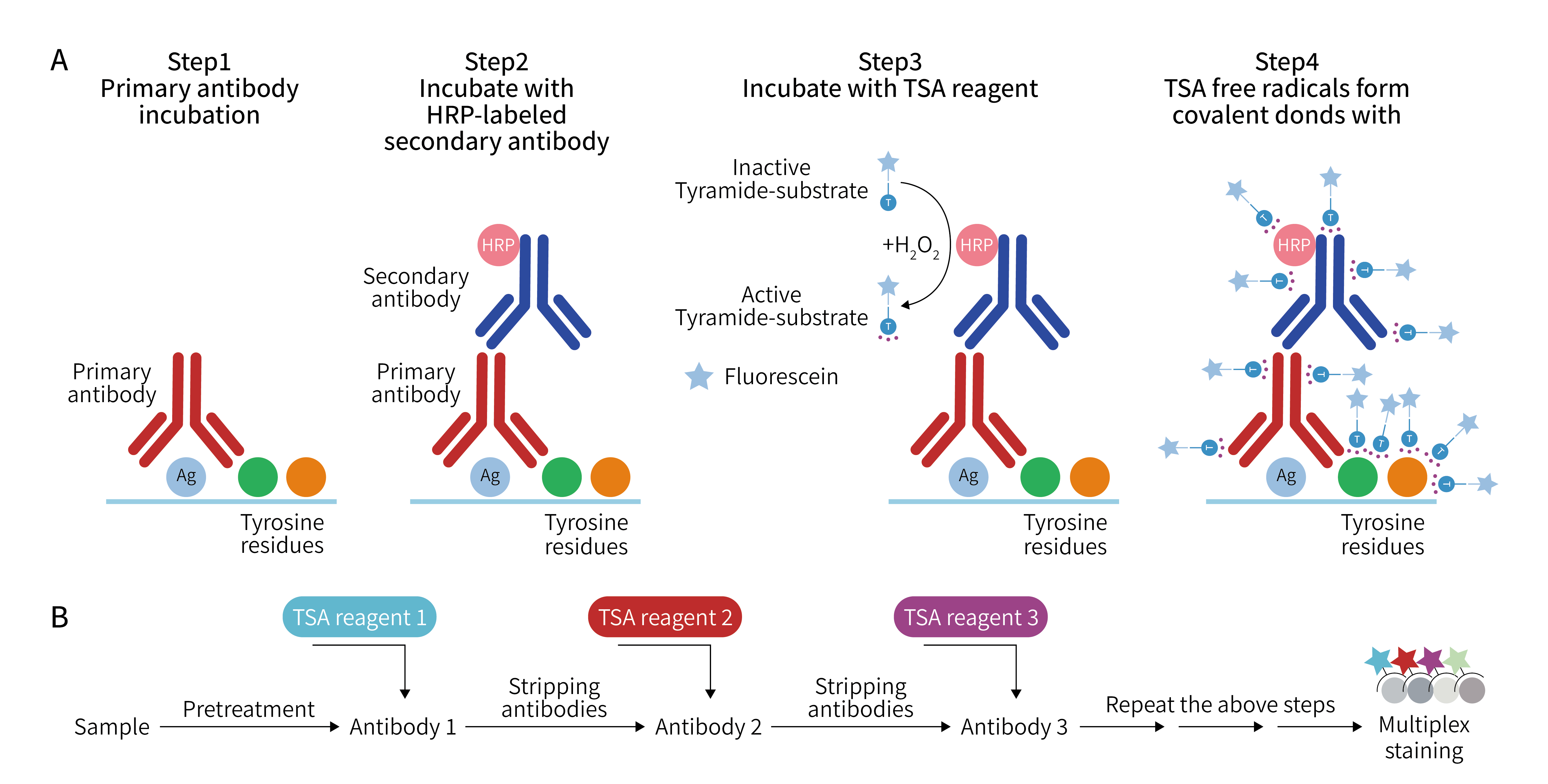
Tyramide Signal Amplification (TSA) technology is a high-sensitivity in situ detection technique based on enzymatic catalytic reactions. Its core mechanism utilizes the highly efficient catalytic activity of horseradish peroxidase (HRP) to specifically and densely label target proteins or nucleic acid molecules in samples. As a key method to break through the sensitivity bottleneck of traditional detection technologies, TSA technology, through its unique signal amplification effect, can significantly enhance the intensity of target-related fluorescent signals in multiple core application scenarios such as immunocytochemistry (ICC), immunohistochemistry (IHC), and in situ hybridization (FISH). Compared with traditional detection methods, this technology can effectively capture low-abundance targets — including functionally expressed proteins, rare cell surface markers, low-copy nucleic acid fragments, and other target molecules that are difficult to detect with traditional methods, providing more precise and comprehensive detection solutions for life science research and clinical diagnosis, widely applicable to various sample types such as paraffin sections, frozen tissues, cell samples, and organoids.
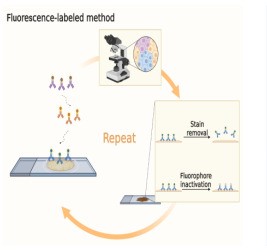
The advent of Tyramide Signal Amplification (TSA) technology has provided an efficient signal amplification solution for fluorescence multiplex staining, effectively addressing many limitations faced by traditional technologies. Its core principle is that the primary antibody specifically binds to the target, and after the secondary antibody conjugated with horseradish peroxidase (HRP) binds to the primary antibody, tyramide molecules carrying fluorophores are introduced into the reaction system. Fluorescently labeled tyramide salts produce covalent binding sites under the condition of HRP-catalyzed hydrogen peroxide, thereby triggering a large number of enzymatic reactions. These reaction products can bind to surrounding proteins (such as proteins containing tryptophan, histidine, and tyrosine residues), accumulating a large amount of fluorophores at the antigen-antibody binding site, increasing the signal intensity by tens of times, allowing even low-abundance targets to be accurately detected.
Antibody purification is a process that relies on the biological characteristics of antibodies—such as the charge, size, and hydrophobicity of antibody molecules—to select appropriate methods and isolate target antibodies from complex mixtures through multi-step chromatographic techniques.
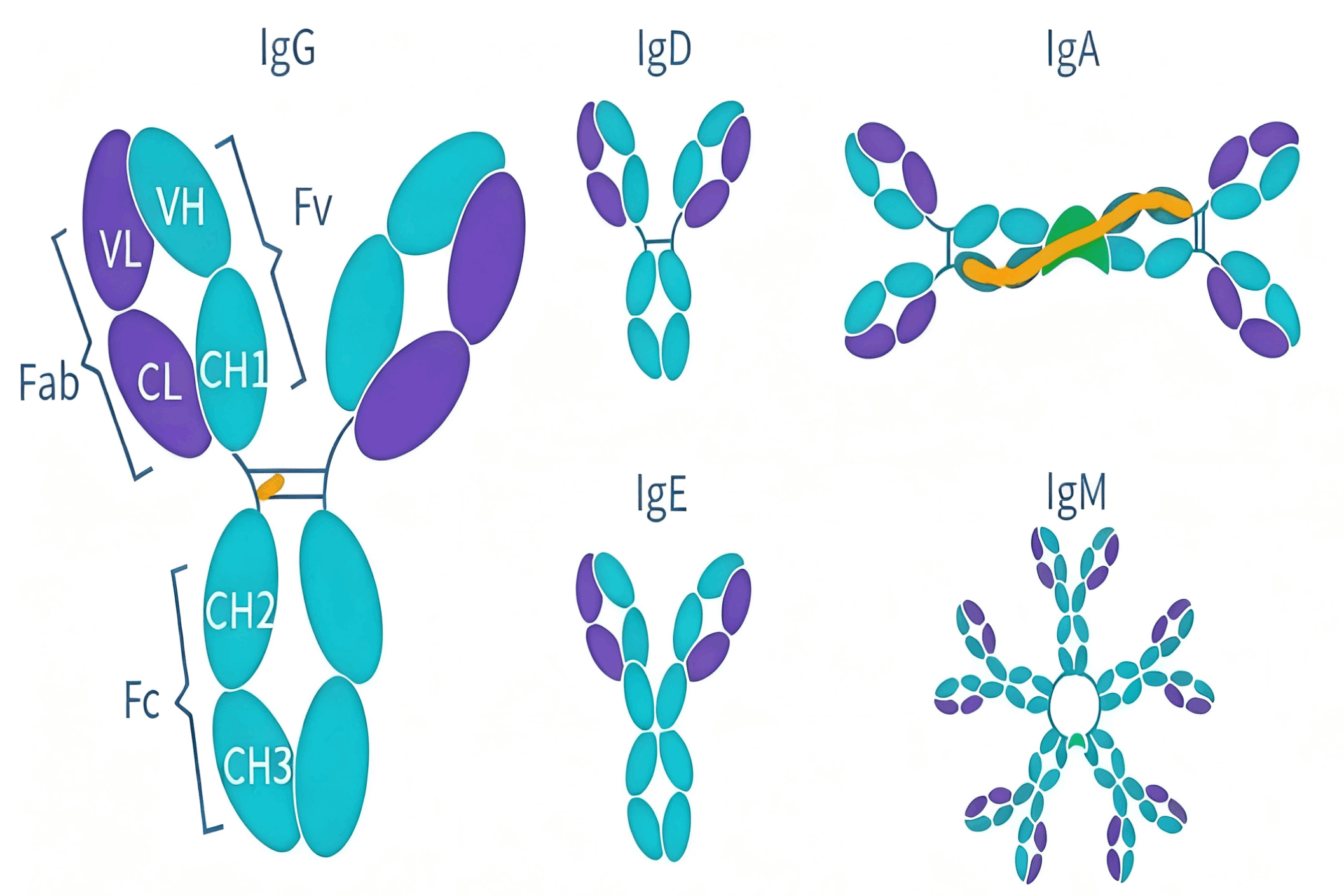
Antibodies, known as immunoglobulins, are typically "Y"-shaped. In most mammals, immunoglobulins consist of five types: IgG, IgM, IgA, IgD, and IgE, which differ from one another in size, charge, amino acid composition, and carbohydrate content. Meanwhile, each type of antibody has subclasses with heterogeneity among them; for instance, the four subtypes of IgG (IgG1, IgG2, IgG3, IgG4) in humans and mice do not share homology. Besides, IgY antibodies are also present in avian species.

Western Blot technology is a core technical method for the detection and quantitative analysis of specific proteins in the fields of molecular biology and biochemistry research, and its application is widespread and indispensable. In the experimental workflow of Western Blot, the selection of transfer membranes is directly related to the accuracy, repeatability, and reliability of experimental results, and it is one of the key links that affect the success or failure of the experiment. Currently, the most commonly used transfer membranes in scientific research practice mainly include two types: polyvinylidene fluoride membranes (PVDF membranes) and nitrocellulose membranes (NC membranes). These two types of transfer membranes have different focuses in terms of material properties, applicable scenarios, and other aspects, and there is no absolute distinction between advantages and disadvantages. This article will elaborate on the key properties and application points of these two types of transfer membranes in detail.
Loading control antibodies serve as the "benchmark" in experiments. They are used to calibrate differences in sample quantity and assess the stability of the experimental system. Selecting appropriate Loading control antibodies is a crucial step in ensuring data reliability, and is particularly vital for research on gene expression, protein quantification, and other related studies in university scientific research. How to correctly select Loading control antibodies? The following points can be used as a reference.
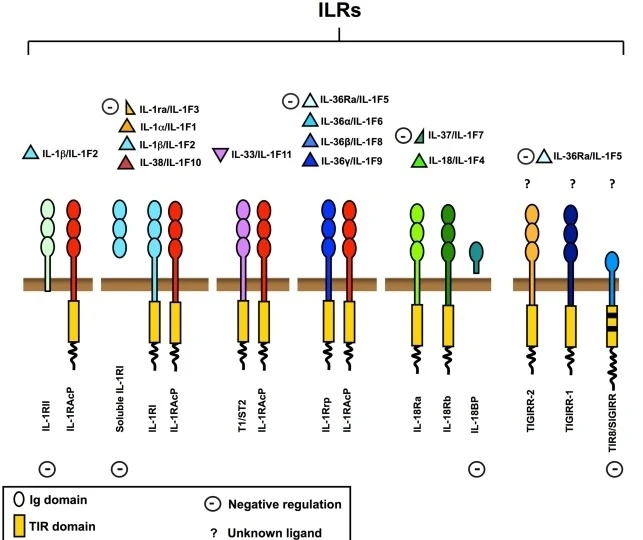
Interleukin Receptors (ILRs) are a family of transmembrane proteins widely expressed on the surface of immune and non-immune cells. Their core function is to specifically bind to interleukins (ILs) and initiate intracellular signal transduction, thereby regulating the body's immune response, cell proliferation and differentiation, as well as physiological and pathological processes.