
KO/KD Validated Antibodies
Eliminate False Positives. Guarantee Reproducibility.
At EnkiLife, every KO/KD Validated Antibody is validated against CRISPR/Cas9 knockout (KO) or siRNA knockdown (KD) samples — the truest negative controls available. Working with EnkiLife's KO/KD validated antibodies can ensure proper use of lab resources while guaranteeing reproducible results.
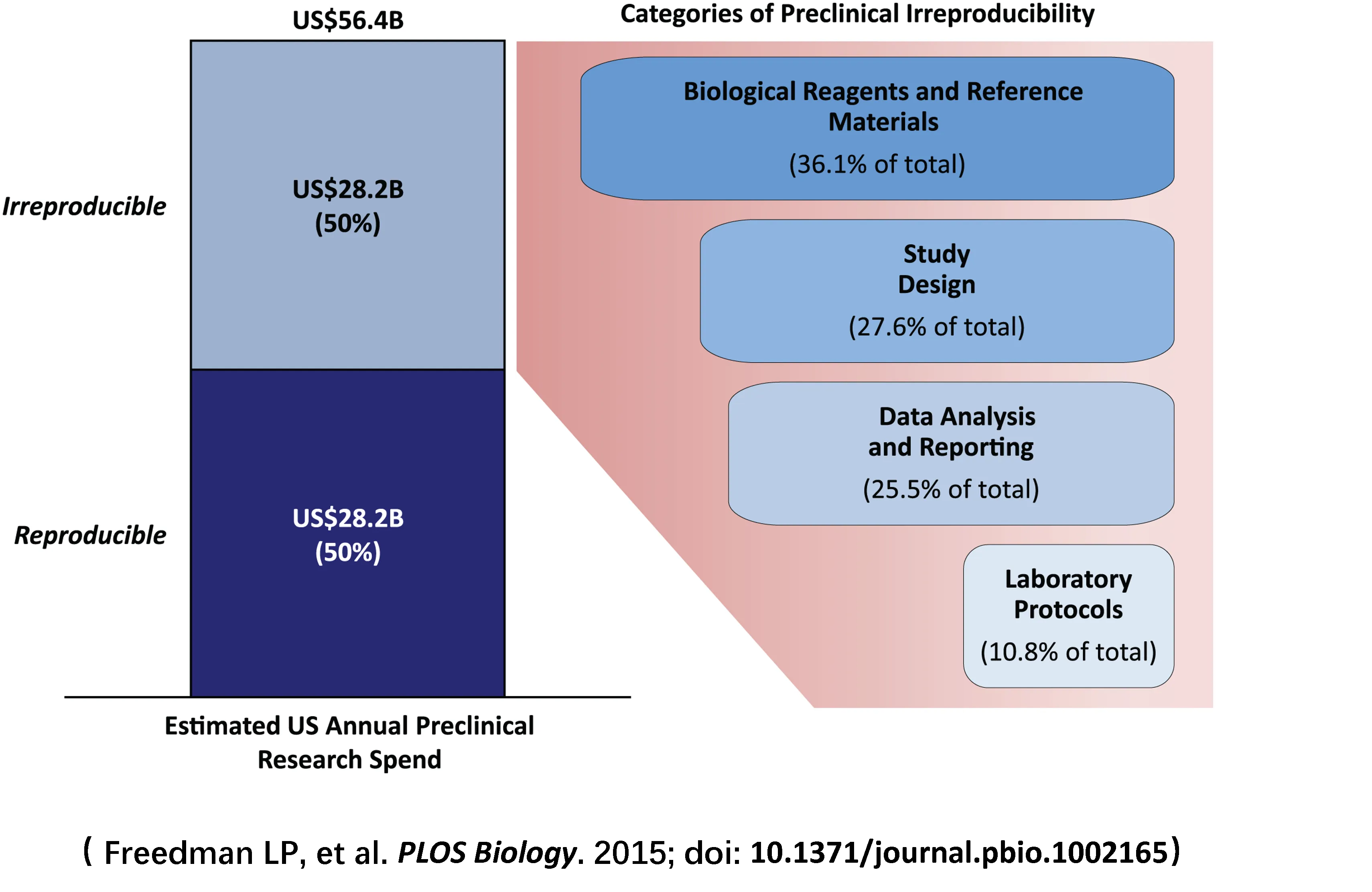
📊 In a survey conducted by Nature, 90% of respondents agreed that there was a reproducibility crisis in biological experiments — and many blamed it on poor-quality antibodies. According to an economic analysis of preclinical research, irreproducible results waste an estimated $28.2 billion annually in the U.S. alone, with biological reagents and reference materials (including antibodies) accounting for 36.1% of the causes of irreproducibility.
What are KO & KD Validated Antibodies?
To validate an antibody at EnkiLife, it must be shown to be specific, selective, and reproducible in the context for which it is to be used. The best negative control is a cell line or tissue that is known not to express the protein of interest. Testing antibody performance against genetically modified samples is the most rigorous way to verify that an antibody recognizes a specific target.
🔬 Knockout (KO) Validation
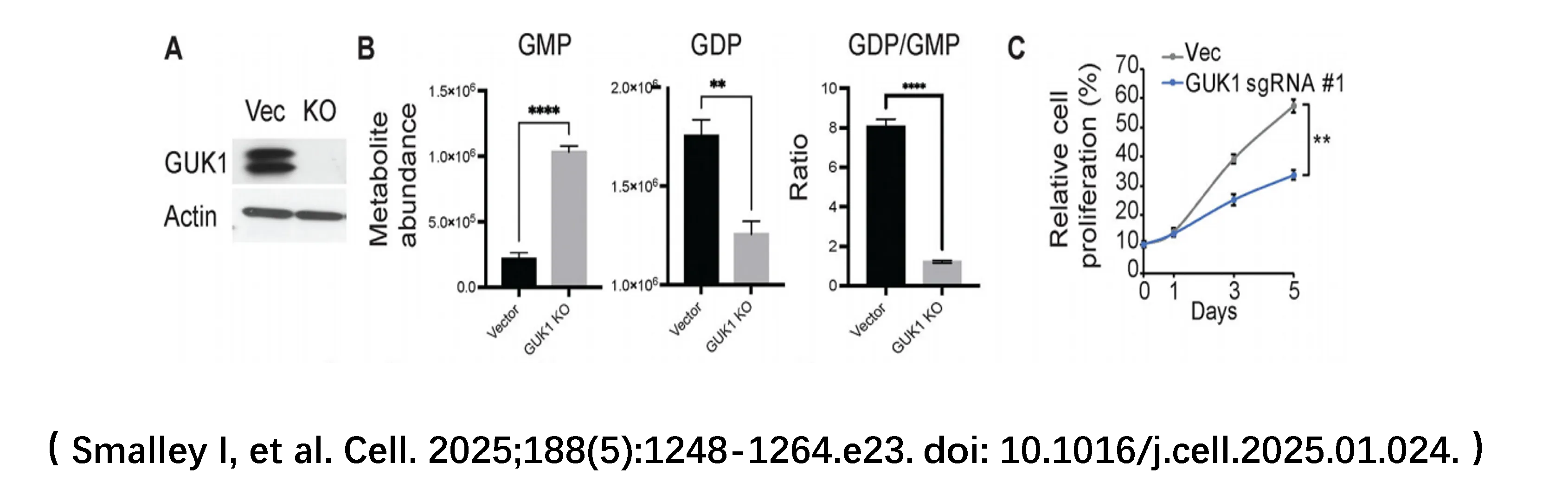
CRISPR/Cas9 gene-editing technology enables complete removal or "knock out" of both alleles of the gene encoding the target protein. Antibody specificity is confirmed by demonstrating that a protein band is only present in wildtype and not the KO cell lysate in WB analysis.
📉 Knockdown (KD) Validation
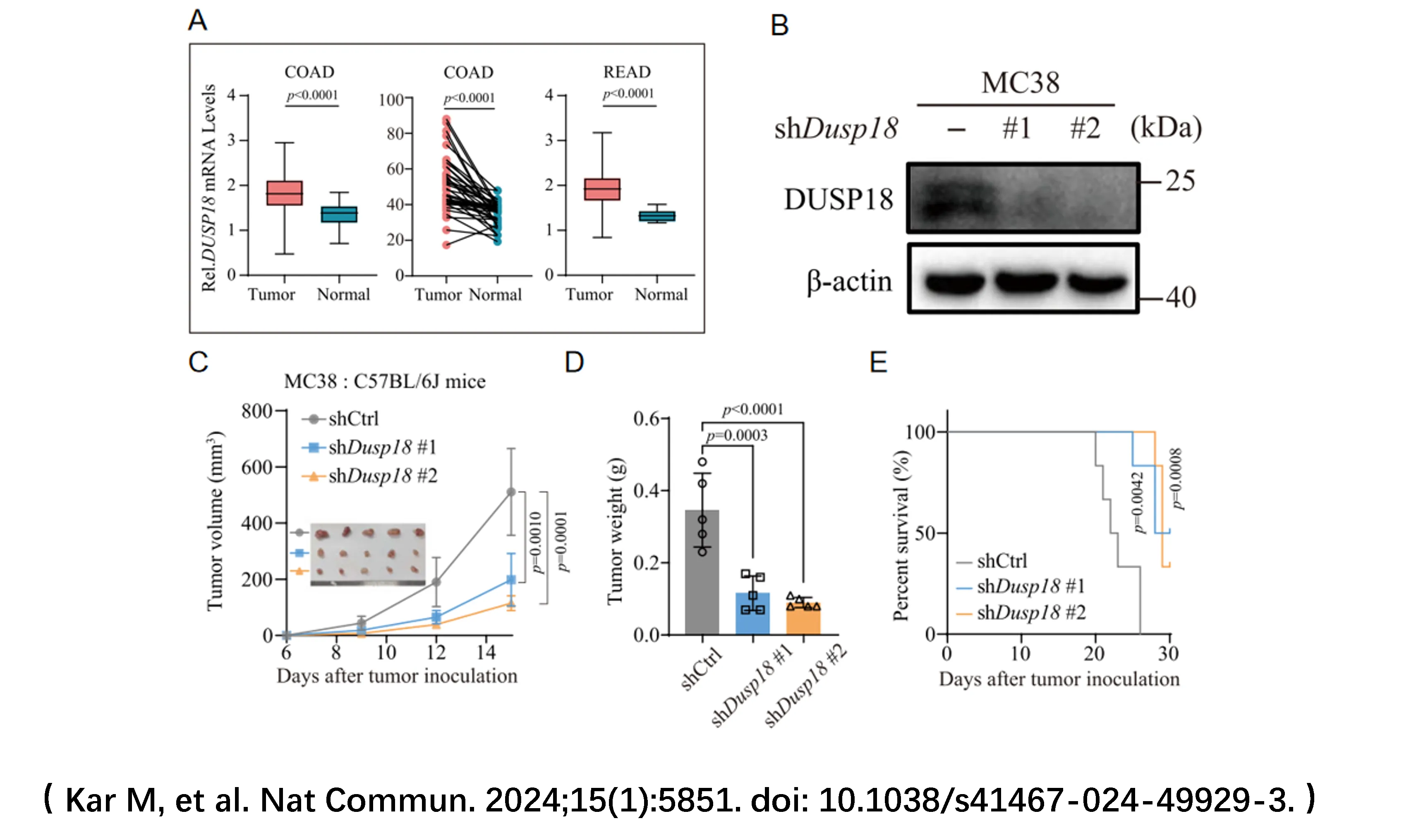
Knockdown is another method of gene silencing responsible for the temporary inactivation of a particular gene product. It targets the mRNA produced by transcription of the target gene, leading to abortive protein translation and degradation of that mRNA. KD provides additional specificity evidence when KO is not feasible.
KO vs KD: What's the Difference?
| Feature | Knockout (KO) | Knockdown (KD) |
|---|---|---|
| Mechanism | Complete gene removal (DNA level) | mRNA degradation / translational inhibition |
| Technology | CRISPR/Cas9, TALEN, ZFN | siRNA, shRNA, antisense oligonucleotides |
| Permanence | Permanent (heritable) | Temporary (transient) |
| Protein elimination | Complete absence | Partial reduction (typically 70-95%) |
| Best for | Absolute specificity validation | Essential genes, rapid screening |
| Validation stringency | ★★★★★ (Gold standard) | ★★★★☆ (Strong supporting evidence) |
What KO/KD Validation Reveals That Traditional Methods Miss
🔍 Hidden Cross-Reactivity
A traditional antibody might show a "clean" single band by WB — but still bind off-target proteins in IHC or IF. KO validation exposes these hidden cross-reactivities immediately.
⚠️ Non-Specific Background
Without KO control, you can't distinguish specific signal from background. KO validation tells you exactly what's real and what's noise.
🔁 Lot-to-Lot Variation
Hybridoma-derived antibodies can drift over time. Recombinant KO/KD antibodies are sequence-defined — no drift, no surprises.
📊 False Publication Data
Many retractions stem from antibody specificity issues. KO validation provides the highest level of evidence for publication.
Why Choose EnkiLife KO/KD Validated Antibodies?
Validated In KO/KD lysates
Pass with complete signal loss in KO, or significant reduction in KD lysates.
KO/KD validated targets
From autophagy to epigenetics to signaling pathways.
Reproducible Results
Infinite lot-to-lot consistency.
KO/KD Validation in Action
Every EnkiLife KO/KD antibody comes with raw validation images. Here's what true specificity looks like.
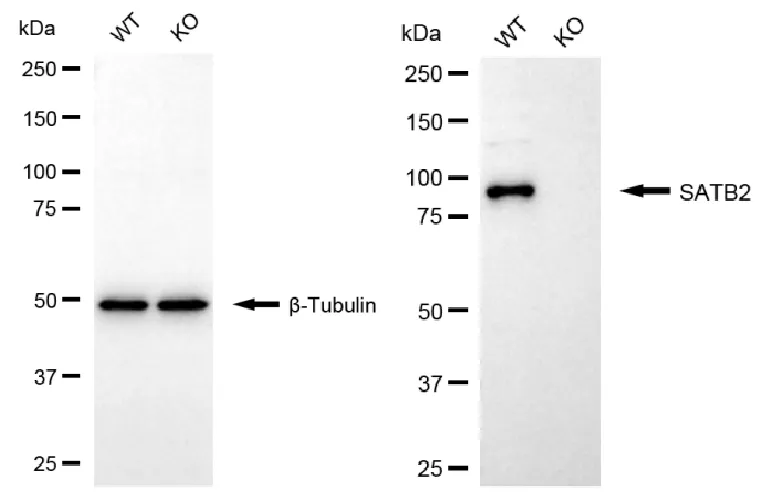
Anti-SATB2 (Neuroscience)
Wildtype: clear band → KO: complete absence
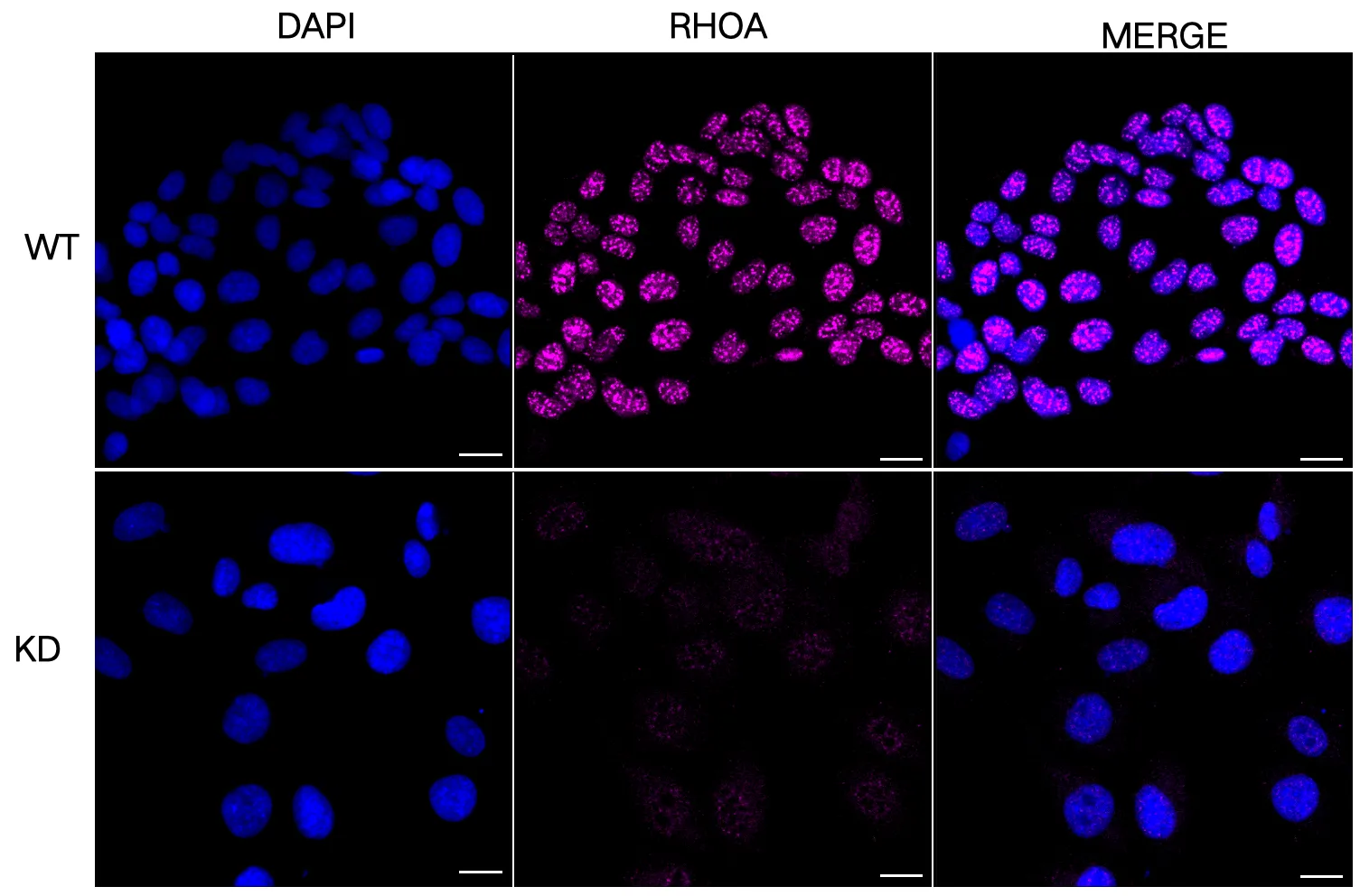
Anti-RhoA (Signal Transduction)
ICC: positive in wildtype cell → negative in KD(shRNA) cell
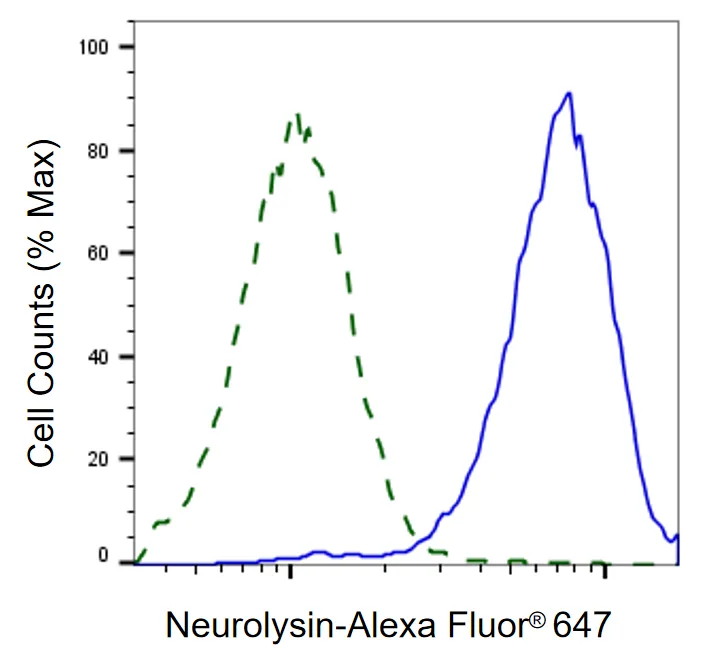
Anti-Neurolysin(Metabolism)
FCM: positive in wildtype cell → negative in KD cell
Search by target, pathway, application, or species. Over 1,900+ validated recombinant antibodies available.