A Systematic Introduction to Coagulation: Factors, Cascade and Clinical Implications
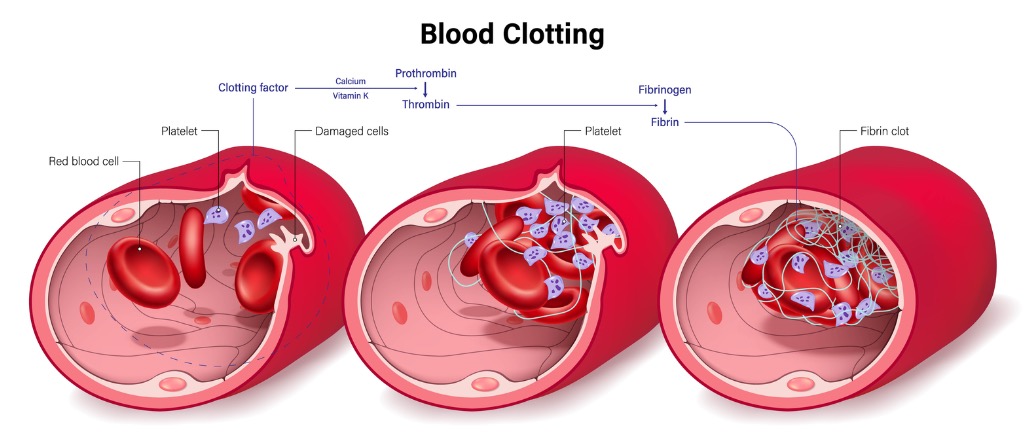
Coagulation, or blood clotting, describes the process through which liquid blood transforms into a gel-like state to form a clot. This process is often referred to as secondary hemostasis, representing the second phase in stopping bleeding from damaged blood vessels. The first phase, primary hemostasis, involves vasoconstriction and platelet aggregation at the injury site. The coagulation mechanism relies on platelet activation, adhesion and aggregation, as well as fibrin deposition and maturation. Coagulation disorders can lead to excessive bleeding or pathological clot formation known as thrombosis.