

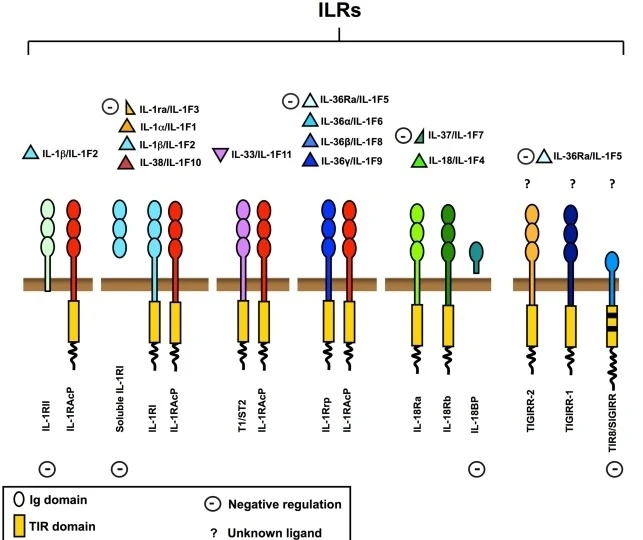
Interleukin Receptors (ILRs)
Interleukin Receptors (ILRs) are a family of transmembrane proteins widely expressed on the surface of immune and non-immune cells. Their core function is to specifically bind to interleukins (ILs) and initiate intracellular signal transduction, thereby regulating the body's immune response, cell proliferation and differentiation, as well as physiological and pathological processes.
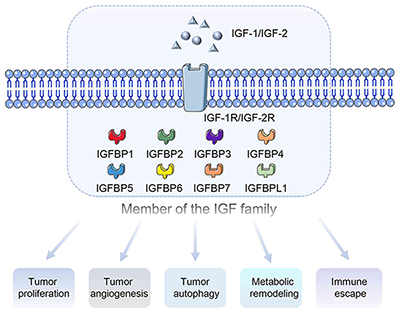
Growth Factor Binding Protein(GFBP)
Growth Factor Binding Proteins (GFBPs) are a class of proteins with crucial regulatory functions, widely distributed in the extracellular matrix, blood, and intracellular environment. Their core role is to specifically bind to various growth factors such as Platelet-Derived Growth Factor (PDGF), Epidermal Growth Factor (EGF), and Fibroblast Growth Factors (FGFs). By regulating the activity, transport, storage, and signal transduction efficiency of growth factors, GFBPs control key biological processes including cell proliferation, differentiation, and migration.
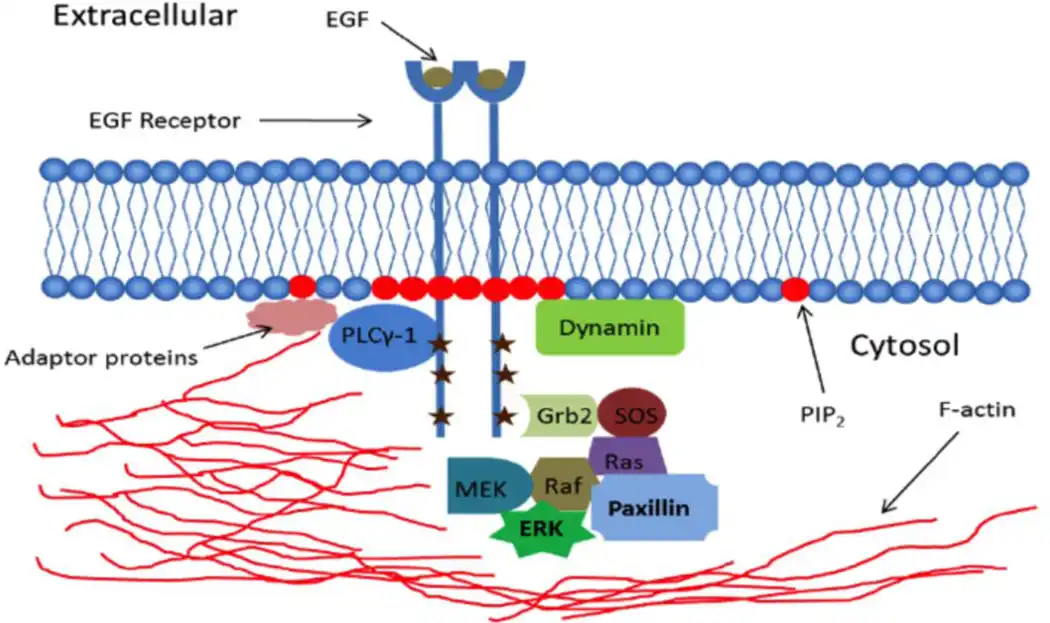
Epidermal Growth Factors (EGFs)
Signaling by EGF growth factors is mediated by the ErbB family of G protein-coupled receptors, which comprises four members (ErbB1 to ErbB4). Binding of the EGF growth factors to the receptors is mediated by the EGF domain, leading to homo or heteroligomerization of the receptors and activating cross-phosphorylation of their intracellular C-terminal domain.
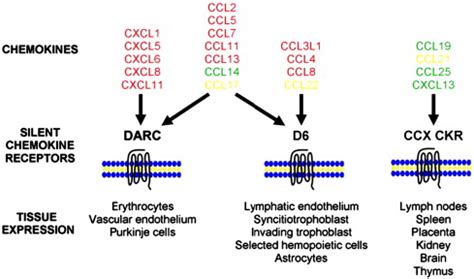
Chemokines
Chemokines are members of a large family of small soluble proteins, which were discovered by their adhesion control, chemotaxis and leukocyte activation abilities. Nevertheless, it is now known they are involved in other equally important functions, namely, angiogenesis, haematopoiesis, embryologic development, B and T cell development, dendritic cell maturation, inflammation, infection, tumour growth and metastasis.
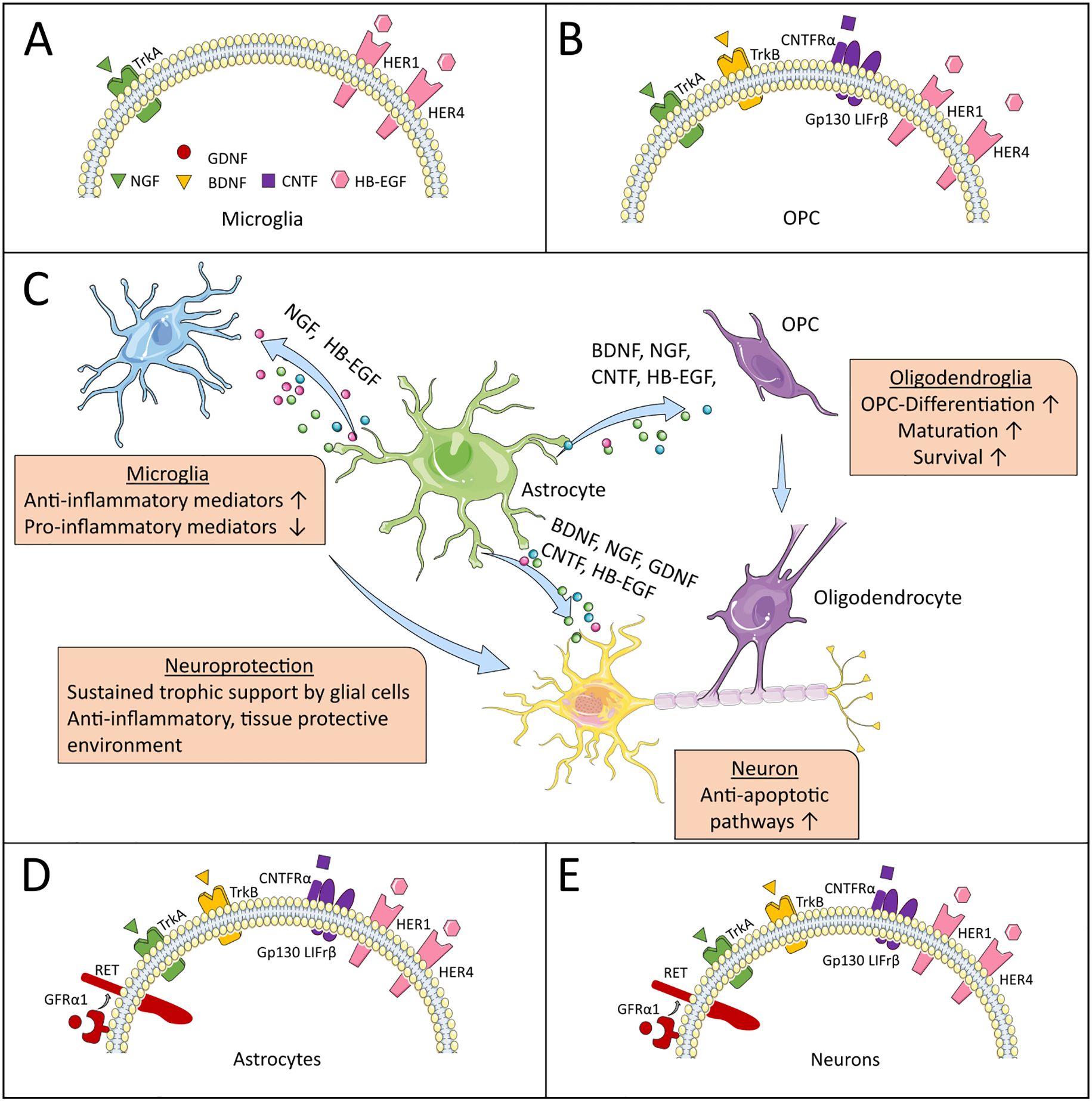
Neurotrophic Factors
The neurotrophins are a family of closely related proteins that were first identified as survival factors for sympathetic and sensory neurons and have since been shown to control a number of aspects of survival, development, and function of neurons in both the central and peripheral nervous systems.
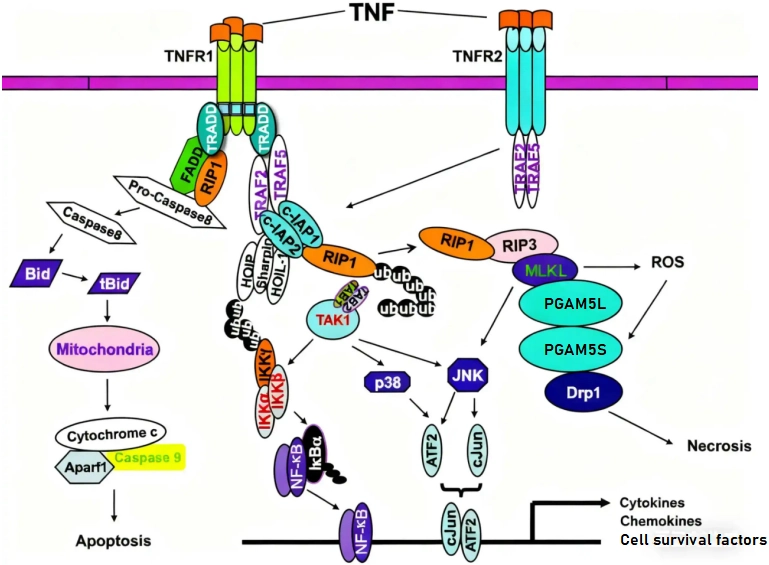
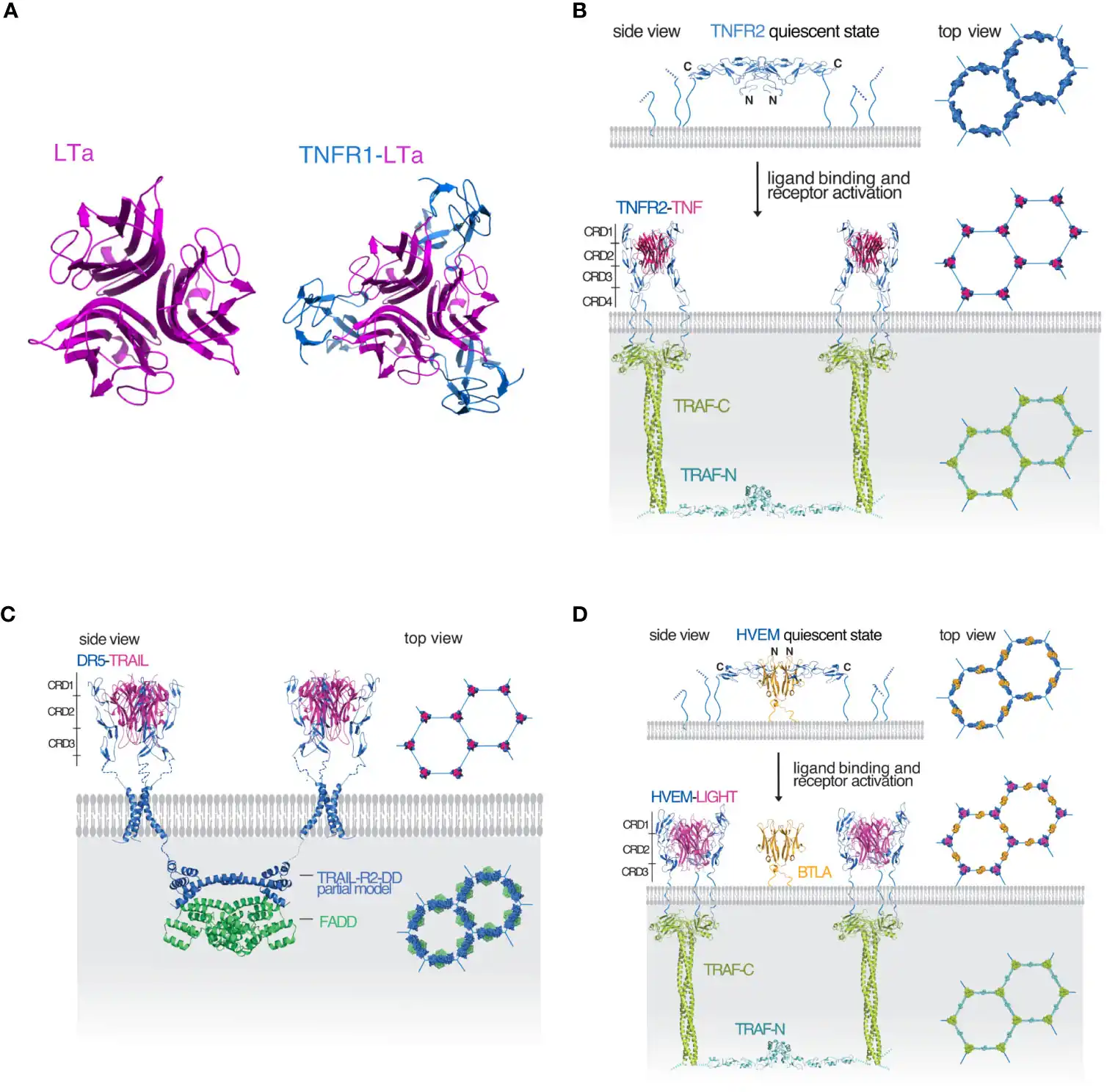
Tumor Necrosis Factor Superfamily (TNFSF)
The tumor necrosis factor superfamily (TNFSF) is a group of proteins that play a wide and important role in biology. Currently, 19 ligands have been identified in this family, such as TNF-α, TNF-β, CD40L, FasL, TRAIL, RANKL, etc., and 29 receptors correspond to them.
Fibroblast Growth Factors (FGFs)
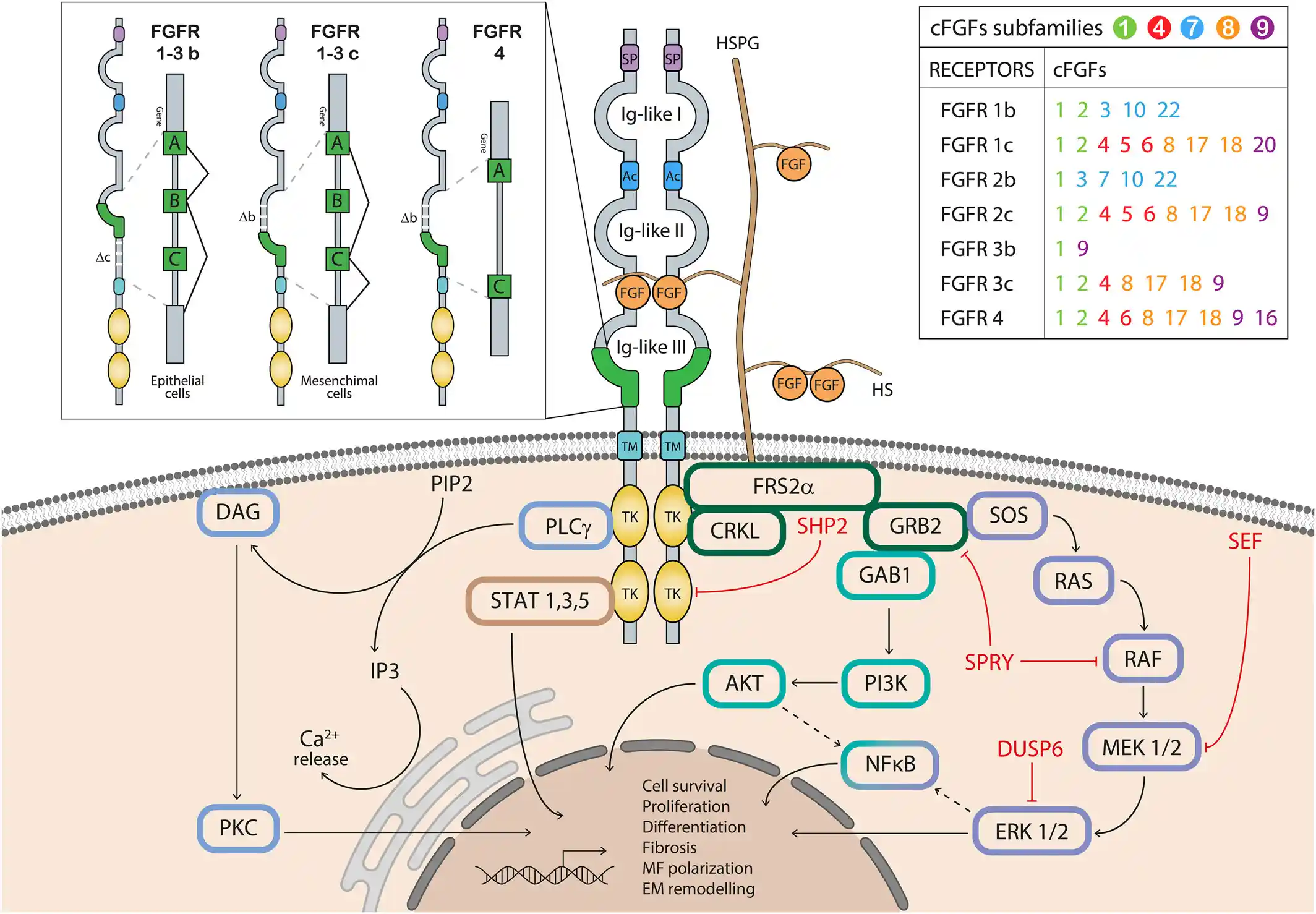
The Fibroblast Growth Factor (FGF) family comprises a group of structurally related signaling proteins that play crucial roles in embryonic development, cell proliferation, differentiation, migration, angiogenesis, tissue repair, and metabolic regulation. In humans, the FGF family includes 18 canonical members (FGF1–FGF10 and FGF16–FGF23), which are classified into six subfamilies based on sequence homology and functional characteristics.