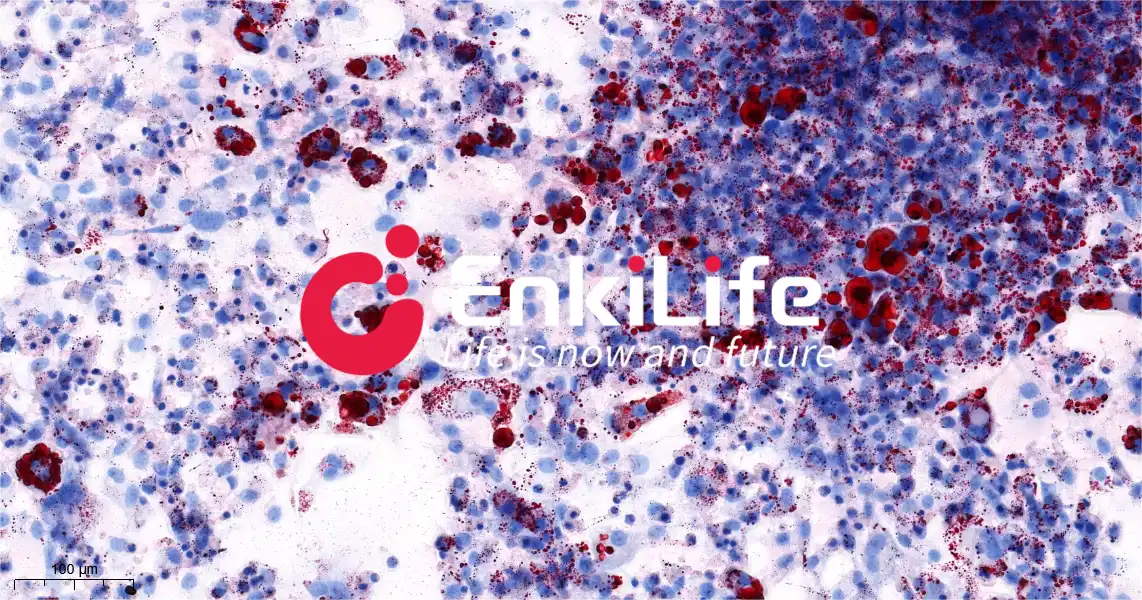
Adipogenic Induction
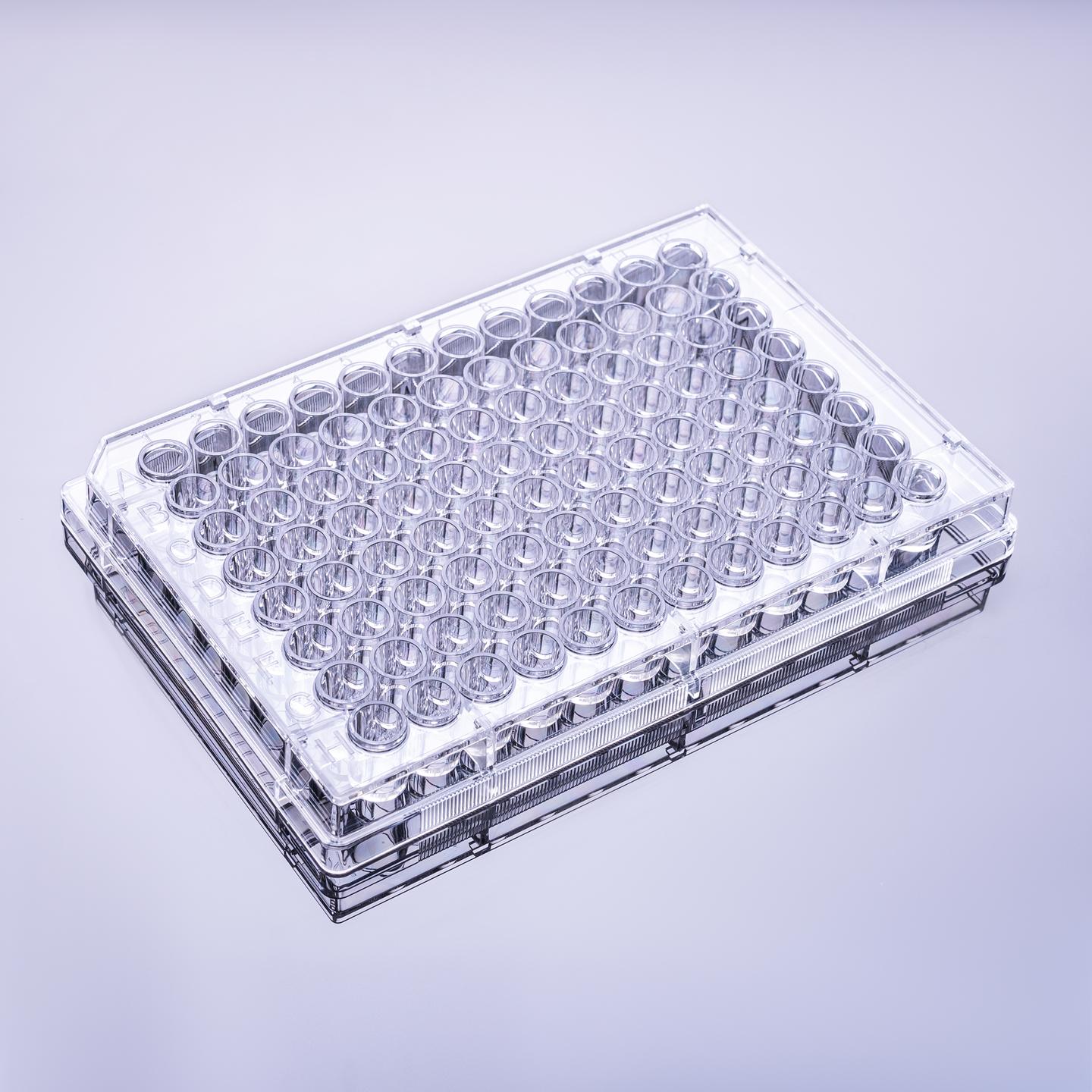
Obesity arises from an imbalance between energy intake and expenditure, accompanied by adipose tissue dysfunction, and is closely linked to metabolic disorders such as diabetes, cardiovascular disease, non‑alcoholic fatty liver disease, and certain cancers. Adipose tissue expansion mainly involves hypertrophy of white adipocytes or hyperplasia from precursor cells. Adipogenic induction is pivotal for mechanistic research and drug development against obesity‑related diseases. The 3T3‑L1 cell line is the most widely used model for adipogenic differentiation, with Oil Red O staining as the standard detection method. This paper elaborates on the characteristics of white and brown adipose tissue, the pros and cons of commonly used cells (3T3‑L1, hMSCs, hADSCs), and provides a detailed protocol for adipogenic differentiation of 3T3‑L1 cells using reagent RC0044. Common issues including insufficient lipid droplet formation, excessive background staining, and massive cell death are analyzed with corresponding troubleshooting strategies, offering a reliable reference for adipogenic induction experiments.