
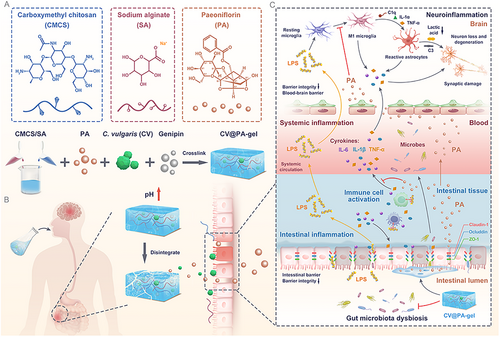
Published in *Advanced Science*, this research was completed by the teams of Min Zhou and Danni Zhong from the First Affiliated Hospital, Zhejiang University School of Medicine. They constructed a colon-targeted CV@PA-gel synergistic platform and clarified its mechanism for intervening IBD gut-brain comorbidity: CV@PA-gel treatment, a novel, safe and effective intervention, can maintain intestinal barrier integrity and reduce gut microbiota translocation, further block microglia-induced A1 astrocyte transformation, and ultimately alleviate DSS-induced depressive-like behaviors and cognitive dysfunction.
Inflammatory Bowel Disease (IBD) is a chronic inflammatory intestinal disorder. 47% of active patients suffer from depression, 58% experience anxiety, accompanied by cognitive impairment, forming a vicious cycle of "intestinal inflammation → psychiatric symptoms → aggravated intestinal inflammation". Current clinical treatment is highly fragmented; only 2% of adult IBD patients receive standardized psychological intervention, antidepressant administration duration is generally insufficient, and integrated therapeutic strategies targeting both intestinal and central nervous systems are lacking.
The gut microbiota-gut-brain axis serves as the core pathway through which peripheral inflammation affects the central nervous system: increased barrier permeability leads to translocation of endotoxins such as lipopolysaccharide (LPS) into the bloodstream, triggering systemic inflammation and subsequent central nervous system impairment. However, the molecular mechanism by which peripheral immune activation specifically mediates IBD-associated neuropathology remains unclear. Existing studies suggest complement component C3 participates in pathological synaptic pruning during depression, and IBD patients exhibit elevated C3 levels; meanwhile, neurotoxic A1 astrocytes are induced by activated microglia and involved in multiple neurodegenerative diseases. This study proposes a core hypothesis: gut inflammation-driven systemic endotoxemia activates hippocampal complement C3 signaling, which may drive microglia-dependent polarization of neurotoxic A1 astrocytes, thereby providing a mechanistic basis for comorbid cognitive and emotional disorders.
Paeoniflorin (PA), a natural monoterpene glycoside, possesses anti-inflammatory and neuroprotective activities, inhibits macrophage secretion of complement C1q, alleviates intestinal inflammation, and exerts therapeutic effects in depression models. Nevertheless, its low oral bioavailability and rapid in vivo clearance severely restrict clinical translation, highlighting an urgent demand for targeted delivery systems to overcome pharmacokinetic bottlenecks.
(1) Stomach (pH 1.8): The hydrogel structure remains stable, with only 35.81% cumulative PA release within 72 hours, minimizing premature drug leakage and degradation under gastric acid conditions.
(2) Colon (pH 7.4): Hydrogel swelling and degradation occur, achieving 74.38% cumulative PA release over 72 hours to realize precise, sustained colonic drug delivery.
(3) Microalgae loading does not alter PA release kinetics.
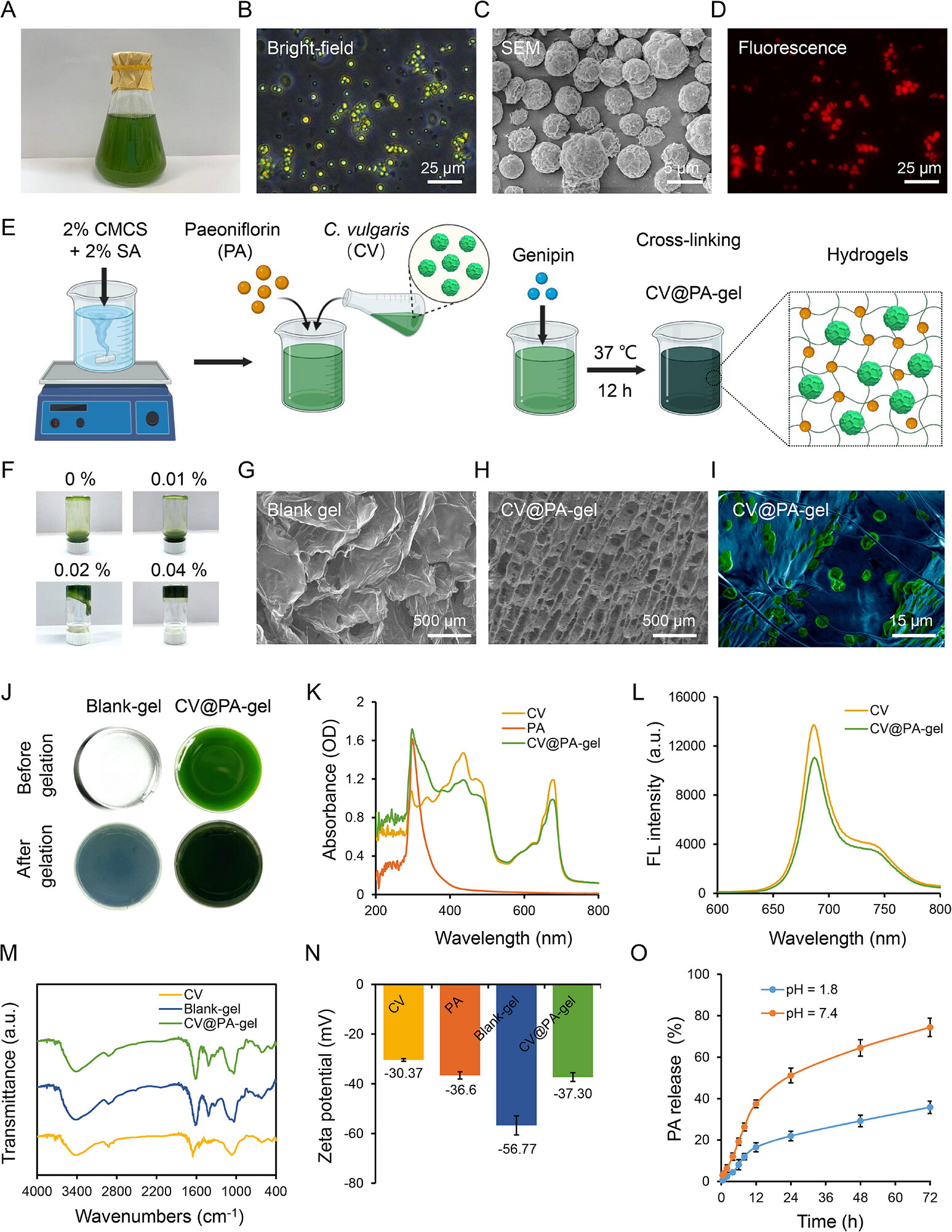
[Synthesis and Characterization of CV@PA-gel]
(1) In vivo fluorescence imaging and distribution of chlorophyll: CV@PA-gel exhibits significantly prolonged gastrointestinal retention time.
(2) No fluorescent signals detected in major organs (heart, liver, spleen, lung, kidney) → local intestinal metabolism with favorable systemic biosafety.
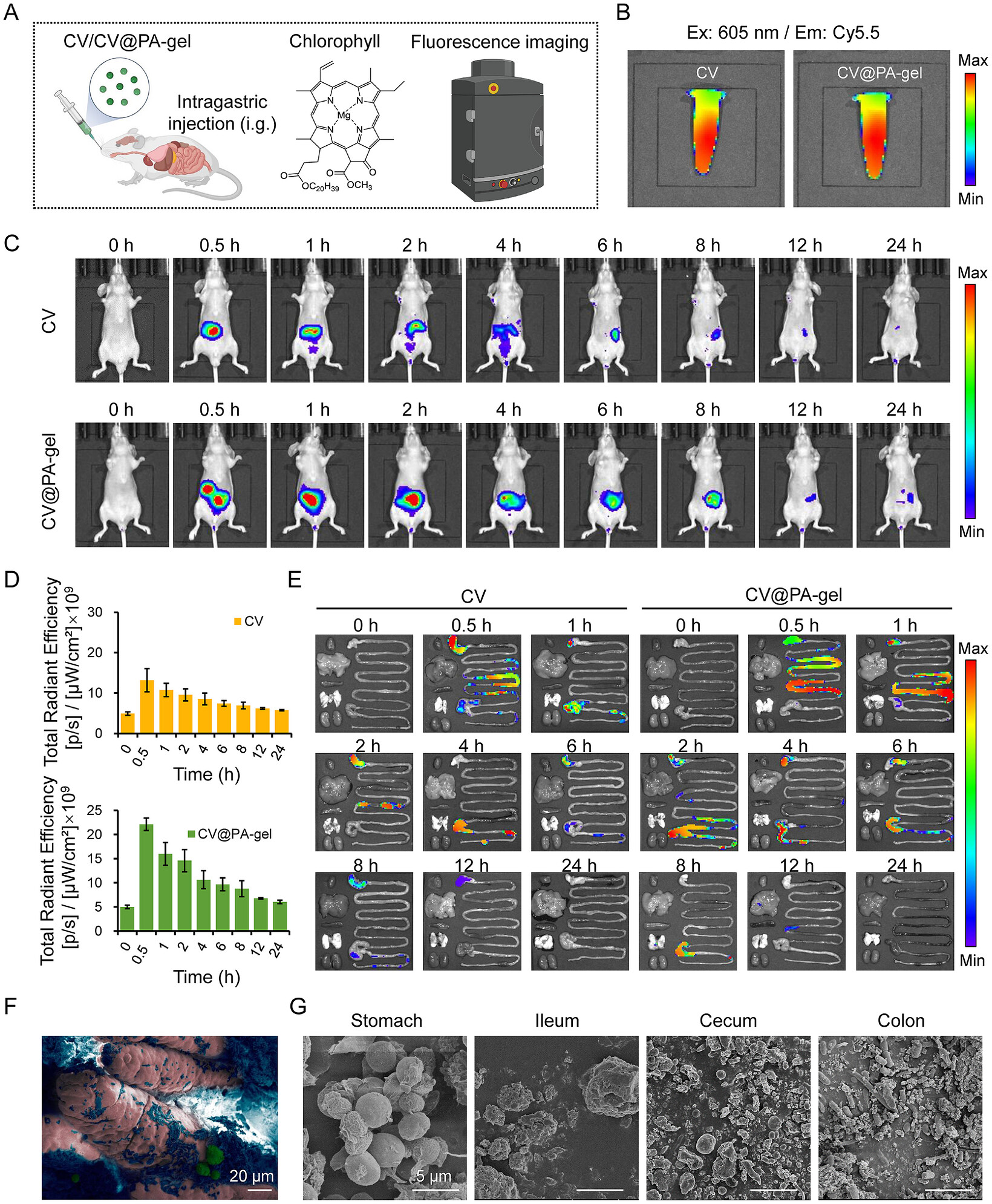
[Tissue Distribution and Biodegradation of CV@PA-gel]
(1) In vitro biocompatibility: Treatment with CV, PA, blank-gel or CV@PA-gel across a wide concentration range induces no obvious cytotoxicity, with cell viability maintained above 90%.
(2) Long-term oral biosafety:
Hematological analysis reveals no significant intergroup differences, indicating intact systemic physiological status.
Histopathological examination: Tissues including brain (cortex and hippocampus), heart, liver, spleen, lung, kidney, stomach and intestine display intact morphology without inflammatory infiltration or structural damage.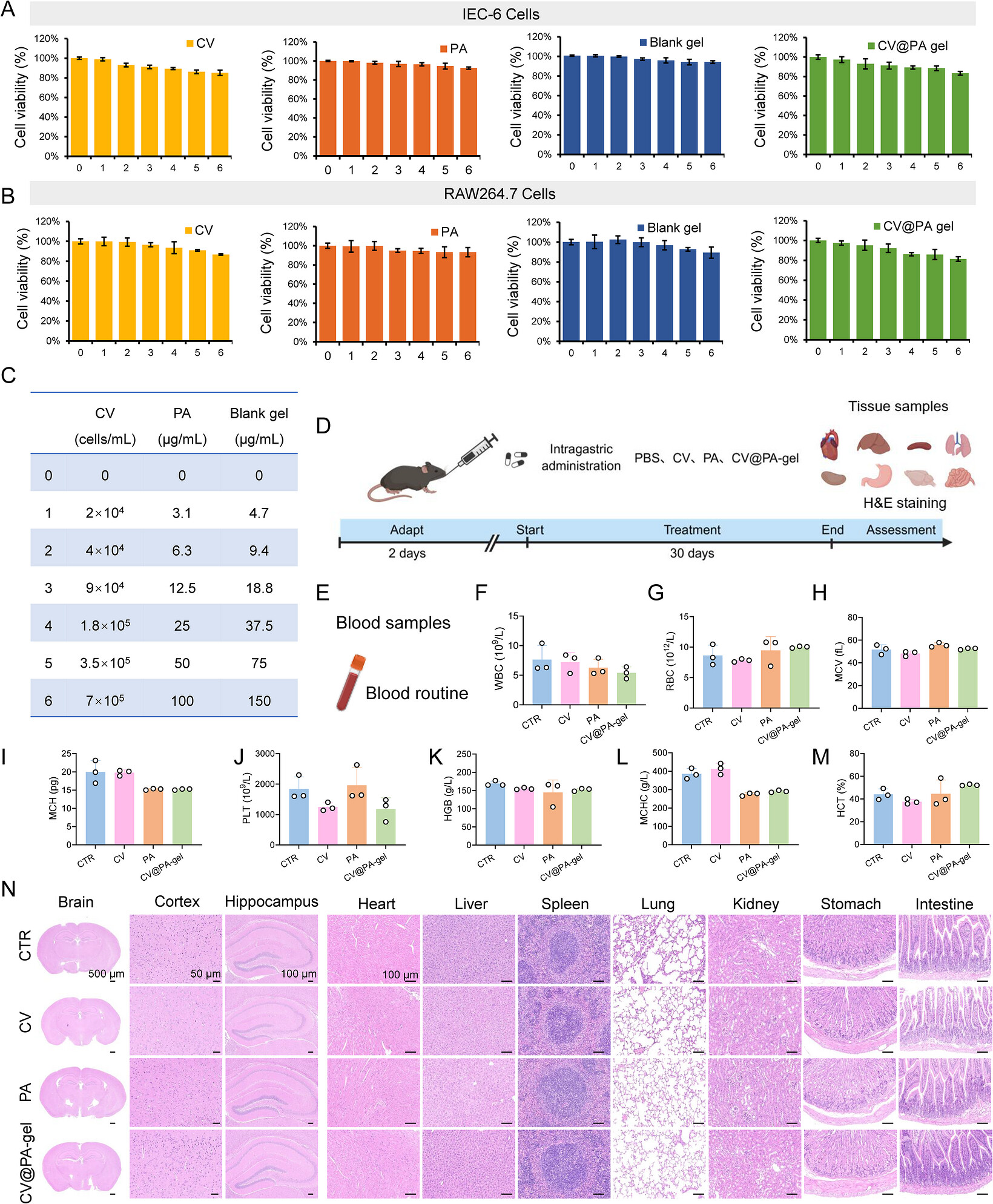
[In Vitro Cellular Compatibility and Oral Safety Assessment of CV@PA-Gel]
Active IBD patients and healthy controls were enrolled to verify clinical relevance:
(1) Plasma LPS and LPS-binding protein (LBP) levels are markedly elevated in IBD patients, indicative of intestinal barrier dysfunction.
(2) Plasma glial fibrillary acidic protein (GFAP) and complement C3 levels are significantly upregulated, positively correlated with anxiety and depression severity.
(3) The association between the endotoxin-complement-astrocyte axis and IBD psychiatric comorbidity is preliminarily established in human subjects.
Mice received two cycles of DSS treatment (1 week of 2% DSS drinking water followed by 1 week of normal drinking water per cycle) to construct a chronic colitis mouse model, successfully recapitulating:
(1) Intestinal phenotypes: Colonic inflammation, intestinal barrier injury, and gut dysbiosis.
(2) Behavioral phenotypes: Anxiety-like (Open Field Test, Elevated Plus Maze), depressive-like (Tail Suspension Test, Forced Swimming Test), and cognitive impairment (Y-Maze, Novel Object Recognition).
(3) Central pathological features: Increased circulating and hippocampal LBP and C3 accompanied by robust neuroinflammation, complement C3 activation, and astrocyte transformation into neurotoxic A1 phenotype.
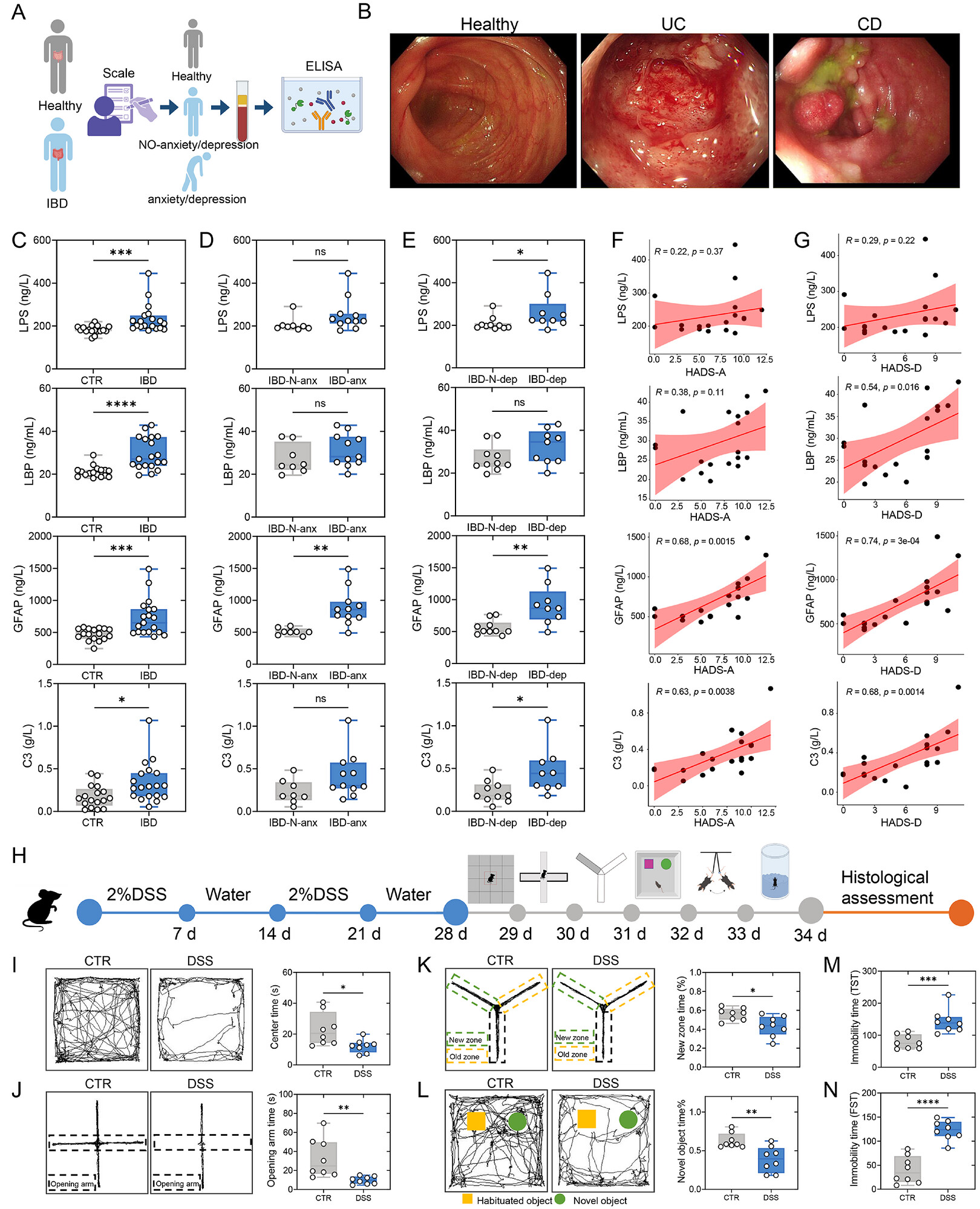
[General and Cytokine Profiles of Human Subjects and Chronic Colitis Mice with DSS-Induced Anxiety/Depressive-Like Behaviors]
A conditioned medium co-culture system was utilized to clarify cellular mechanisms:
(1) PA pretreatment significantly suppresses LPS-induced secretion of A1-inducing factors (IL-1α, TNF-α and C1q) by microglia.
(2) Conditioned medium from PA-treated microglia loses the capacity to induce A1 phenotypic polarization of astrocytes.
(3) PA reverses glycolytic dysfunction in astrocytes triggered by activated microglia.
(4) Key conclusion: PA exerts no direct effects on astrocytes or neurons; its neuroprotective effects fully rely on inhibiting microglial activation, indirectly preserving neuronal morphology and reducing apoptosis.
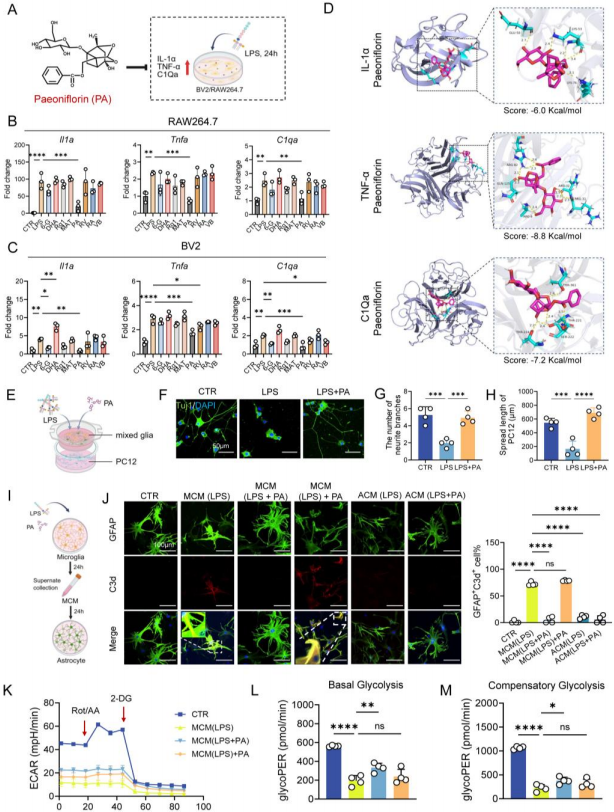
[PA Targets Suppressing A1 Reactive Astrocytes and Three Forms of Neurogenesis]
Attenuate colonic inflammation: Reduce hematochezia incidence, restore body weight, alleviate colon shortening and splenomegaly, and downregulate pro-inflammatory cytokines including TNF-α, IL-1β and IL-6.
Restore intestinal barrier: Upregulate tight junction proteins Claudin-1, Occludin and ZO-1, reduce intestinal permeability; electron microscopy confirms recovery of epithelial junctions and microvillar ultrastructure.
Validated via in vitro Caco-2/RAW264.7 co-culture model: Recover transepithelial electrical resistance (TEER) and reduce paracellular permeability.
In chronic DSS models, CV@PA-gel comprehensively reverses:
Anxiety-like behaviors: Increased central residence time in Open Field Test and open-arm duration in Elevated Plus Maze.
Depressive-like behaviors: Reduced immobility time in Tail Suspension Test and Forced Swimming Test.
Cognitive function: Enhanced novel arm exploration in Y-Maze and novel object recognition index.
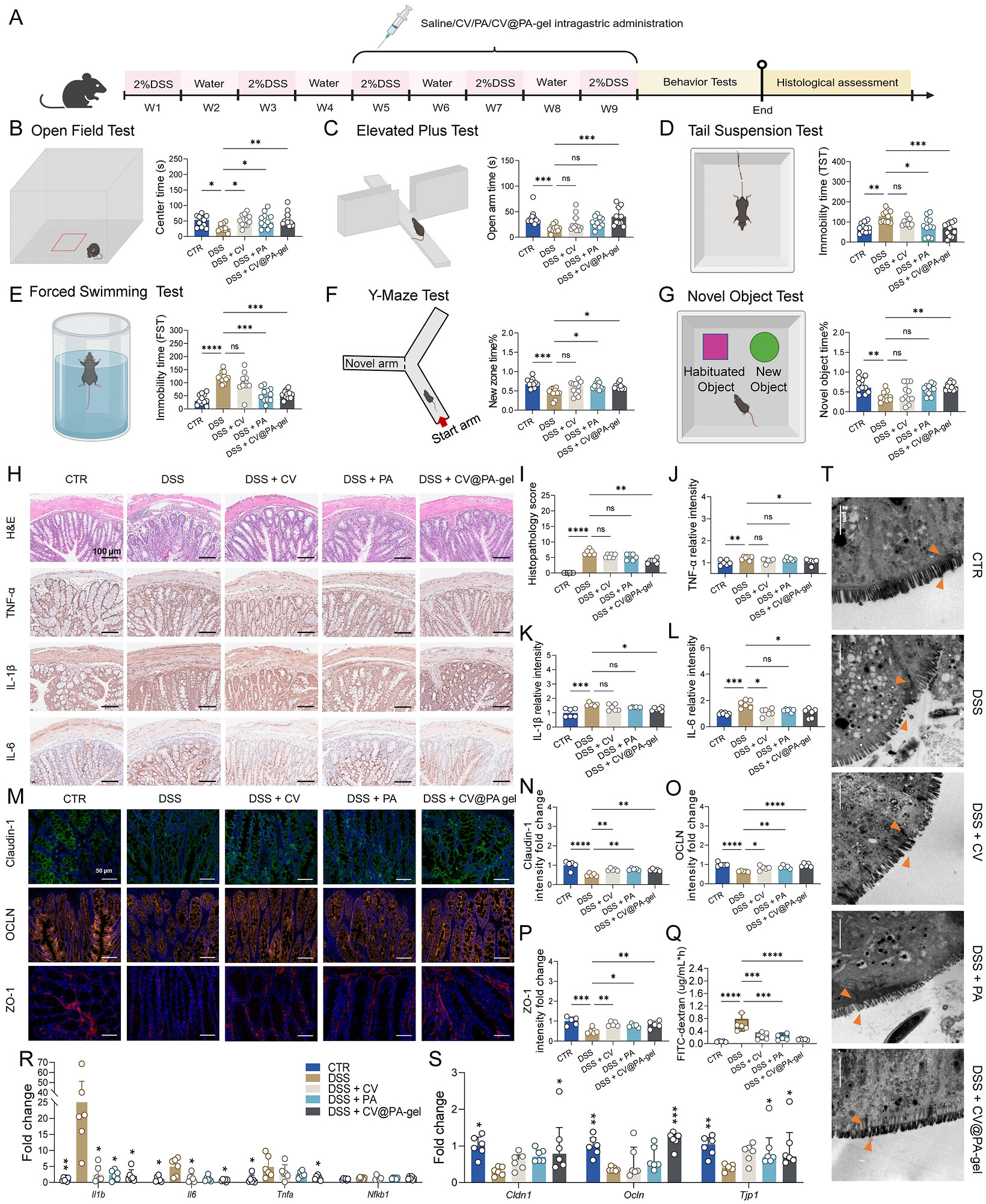
[CV@PA-gel Alleviates DSS-Induced Depressive, Anxious and Cognitive Impairments as well as Intestinal Barrier Inflammation]
Reduce circulating and hippocampal LBP and C3 levels to suppress complement pathway activation.
Inhibit hippocampal A1 astrocyte polarization: Downregulate A1-specific markers (C3a, H2-T23, etc.) without significant impacts on protective A2 markers.
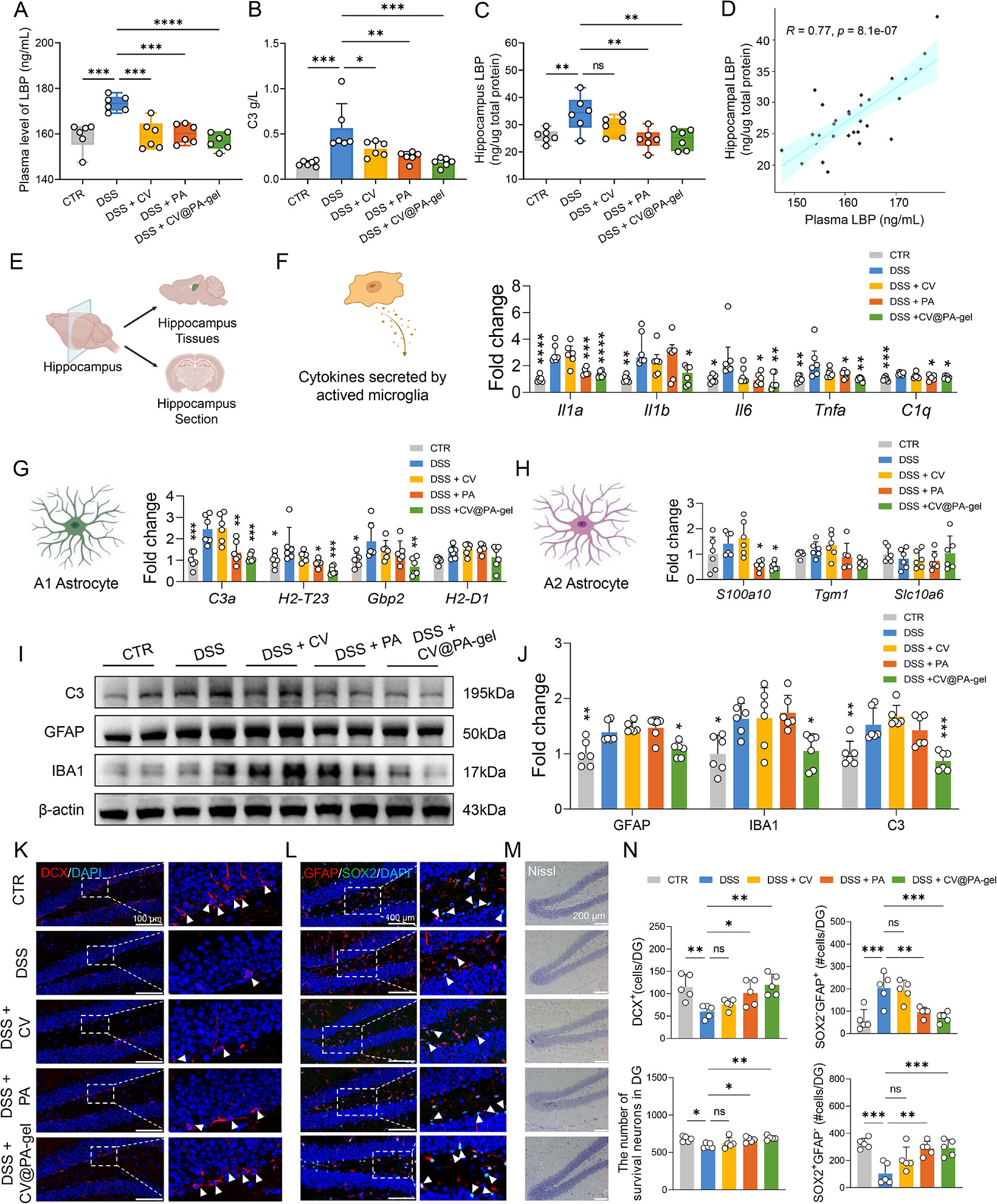
[Figure: Effects of CV@PA-gel on Neuroinflammatory Responses Mediated by Cytokines and Related Molecules]
Restore hippocampal neurogenesis: Increase DCX-positive newborn neurons and SOX2-positive neural stem/progenitor cells, elevate viable neuron count via Nissl staining.
Preserve synaptic plasticity: Upregulate presynaptic protein SYP and postsynaptic density protein PSD-95; electron microscopy confirms restored postsynaptic density structure and elevated BDNF levels.
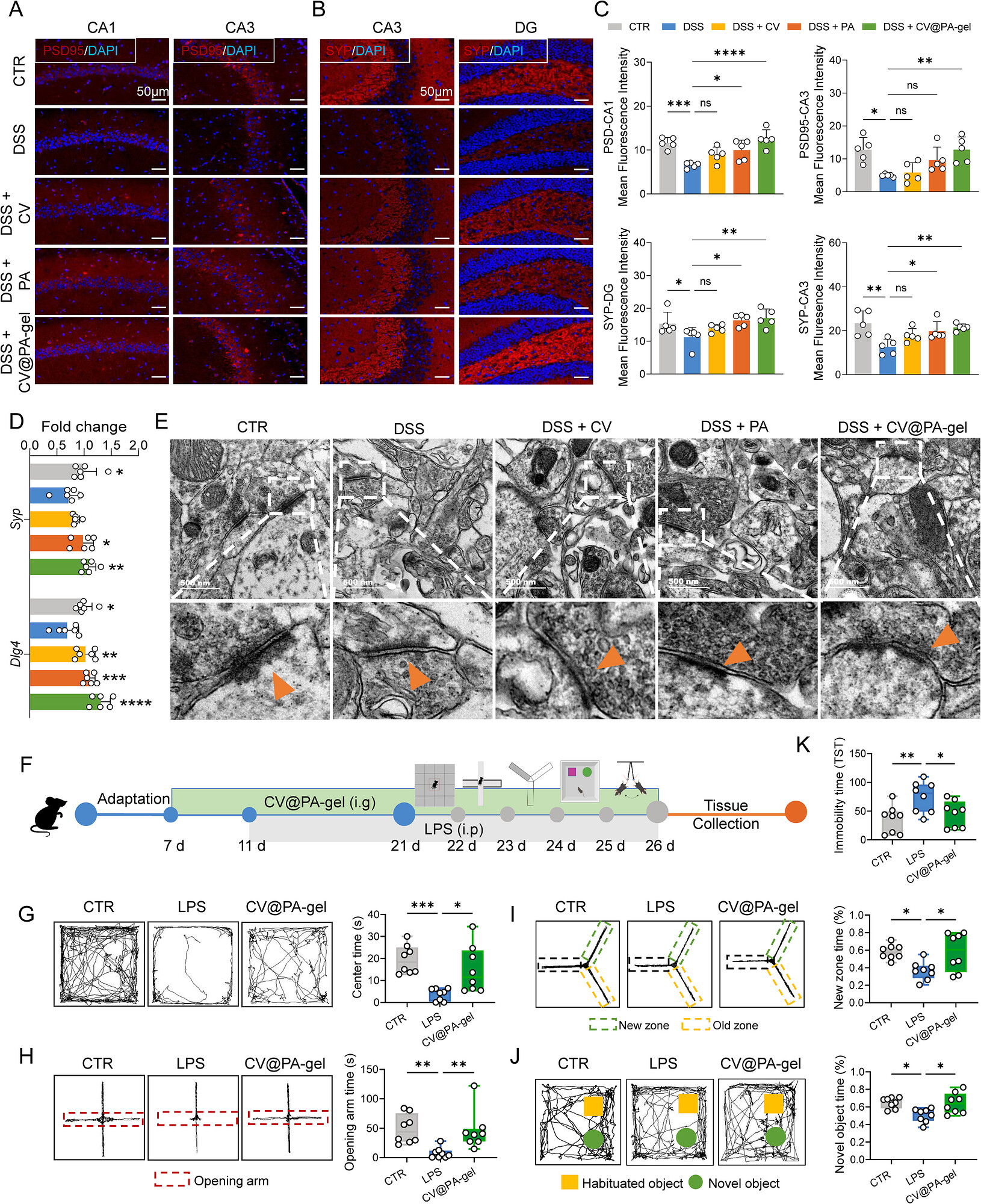
[Hippocampal Repair Effects of CV@PA-gel]
To eliminate confounding factors of indirect psychiatric relief via intestinal improvement, a chronic low-dose intraperitoneal LPS injection model was established to directly simulate endotoxemia:
(1) Prophylactic CV@PA-gel administration markedly alleviates LPS-induced anxiety, depressive-like behaviors and cognitive impairment.
(2) This confirms CV@PA-gel exerts direct neuromodulatory effects independent of intestinal repair, further supporting central mechanisms.
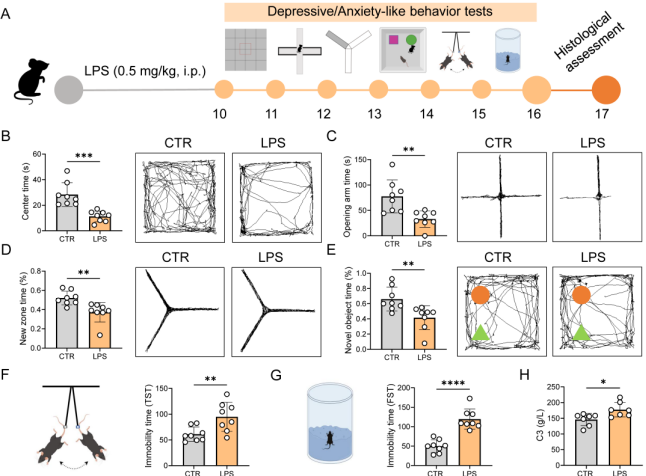
[Systemic Endotoxemia Triggers Complement-Mediated Two Types of Neuropsychiatric Dysfunction]
Regulation of intestinal microecology by CV@PA-gel constitutes another critical synergistic mechanism:
(1) Elevate intestinal microbiota α-diversity and restore overall flora structure toward healthy status.
(2) Enrich beneficial genera including Bifidobacterium and Lachnospiraceae, suppress pathogenic genera such as Kocuria; simultaneously restore abundances of Dialister and Dorea associated with depression.
(3) Modulate fecal metabolome: Significantly regulate depression- and cognition-related metabolites including azelaic acid, 3-indoleacetic acid and tryptophan.
(4) Correlation analysis of microbiota and metabolites confirms CV@PA-gel exerts integrated regulatory effects via the microbiota-metabolite axis.
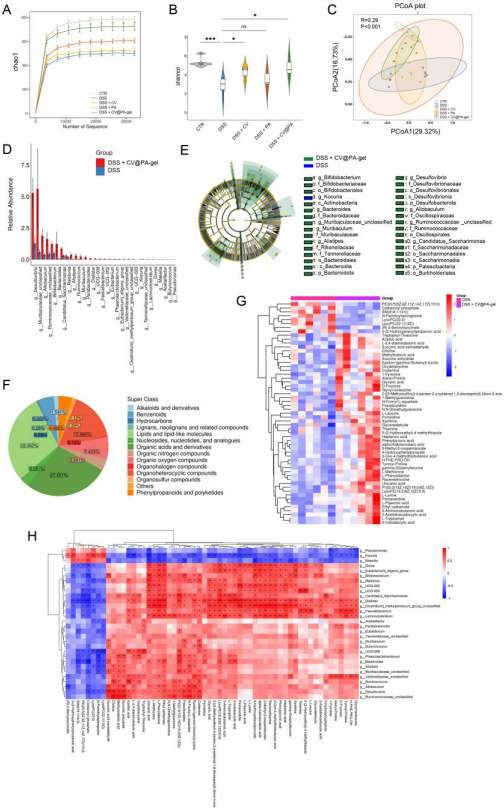
[Metagenomic Bioinformatic Analysis and Fecal Metabolite Changes Across Groups]
Colitis-induced intestinal barrier dysfunction and gut microbiota translocation may trigger complement system damage and excessive proliferation of reactive astrocytes, thereby promoting the onset of anxiety and depression. This study provides evidence supporting CV@PA-gel treatment as a novel, safe and effective intervention capable of maintaining intestinal barrier integrity, reducing gut microbiota translocation, further blocking microglia-induced A1 astrocyte transformation, and ultimately ameliorating DSS-induced depressive-like behaviors and cognitive impairment. These findings further suggest that oral CV@PA-gel may serve as a promising therapeutic strategy targeting the microbiota-gut-brain axis for IBD and its comorbid psychiatric disorders, representing a valuable therapeutic target.
Literature Source:
Lu J, et al. A Synergistic Hydrogel-Microalgae Platform for Dual-Targeting of Intestinal and Neuroimmune Dysfunction in Inflammatory Bowel Disease. Adv Sci (Weinh). 2026 Jun;13(36):e23551. doi: 10.1002/advs.202523551. Epub 2026 Apr 14. [PMID: 41980222]
We are honored that EnkiLife’s 2H Rapid WB Ready-to-Use Full-Kit assisted the protein WB detection in this research.
EnkiLife focuses on research reagent R&D and delivers comprehensive Western Blot solutions. From sample preparation to signal development, all product lines undergo comprehensive optimization for safety and efficiency. Our flagship 2H Rapid WB Ready-to-Use Full-Kit compresses traditional 1–2 day experiments into 2 hours with an out-of-the-box design, greatly facilitating researchers and accelerating scientific output.
| Cat# | Product Name |
|---|---|
| RA10020 | 2-Hour Rapid Western Blot Ready-to-Use Complete Workflow Kit |
| RA10042 | Streamlined Western Blot Complete Kit |
| G01420 | Bis-Tris,4-20% |
| RA10043 | RapidSet Broad-Range Gradient Gel Kit |
| RC0005 | Cell/Tissue Lysis Buffer |
| RC0160 | RIPA Lysis Buffer (strong) |
| RC0161 | RIPA Lysis Buffer (medium) |
| RC0162 | RIPA Lysis Buffer (weak) |
| RA10063 | Protease & Phosphatase Inhibitor Cocktail (100×, EDTA-free) |
| RA10066 | Protease Inhibitor Cocktail (100×, EDTA-free) |
| RA10067 | Phosphatase Inhibitor Cocktail II (50×) |
| BC00006 | BCA Protein Assay Kit (BCA Method) |
| RA10055 | 5×Loading Buffer |
| RA10037 | Calibrated Color Prestained Protein Marker (8-180kDa) |
| RA10038 | Calibrated Color Prestained Protein Marker (10-250kDa) |
| RA10039 | Calibrated High Molecular Weight Color Prestained Protein Marker (25–400 kDa) |
| RA10044 | 20× Universal Rapid Electrophoresis Buffer |
| RA10051 | 20× Ice-Free Rapid Transfer Buffer |
| RA022 | PVDF Membrane (0.22μm) |
| RA045 | PVDF Membrane(0.45μm) |
| RA10052 | 5× Protein-Free Rapid Blocking Diluent |
| RA10058 | 5min Protein-Free Rapid Blocking Solution |
| RA10059 | 1min Protein-Free Rapid Blocking Solution |
| RA10056 | No-Blocking Rapid Antibody Diluent |
| RA10001 | Super-sensitive ECL chemiluminescent reagent |
| RA10041 | Antibody Stripping Buffer |
| RA10057 | Coomassie Brilliant Blue Fast Staining Solution (Non-Dehydration) |
| RA10061 | 10×TBST |