Acetyl-Histone H3/H4
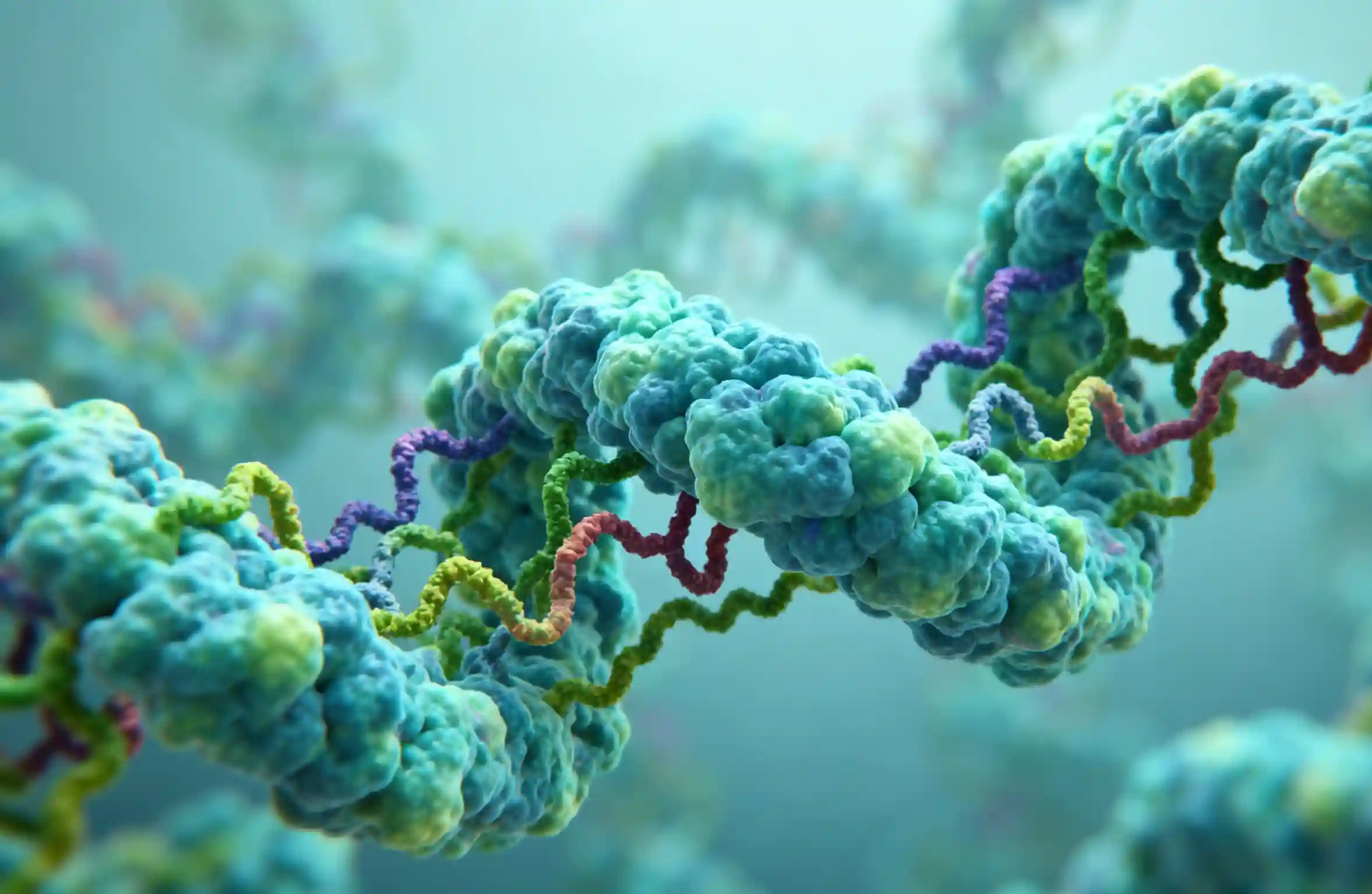
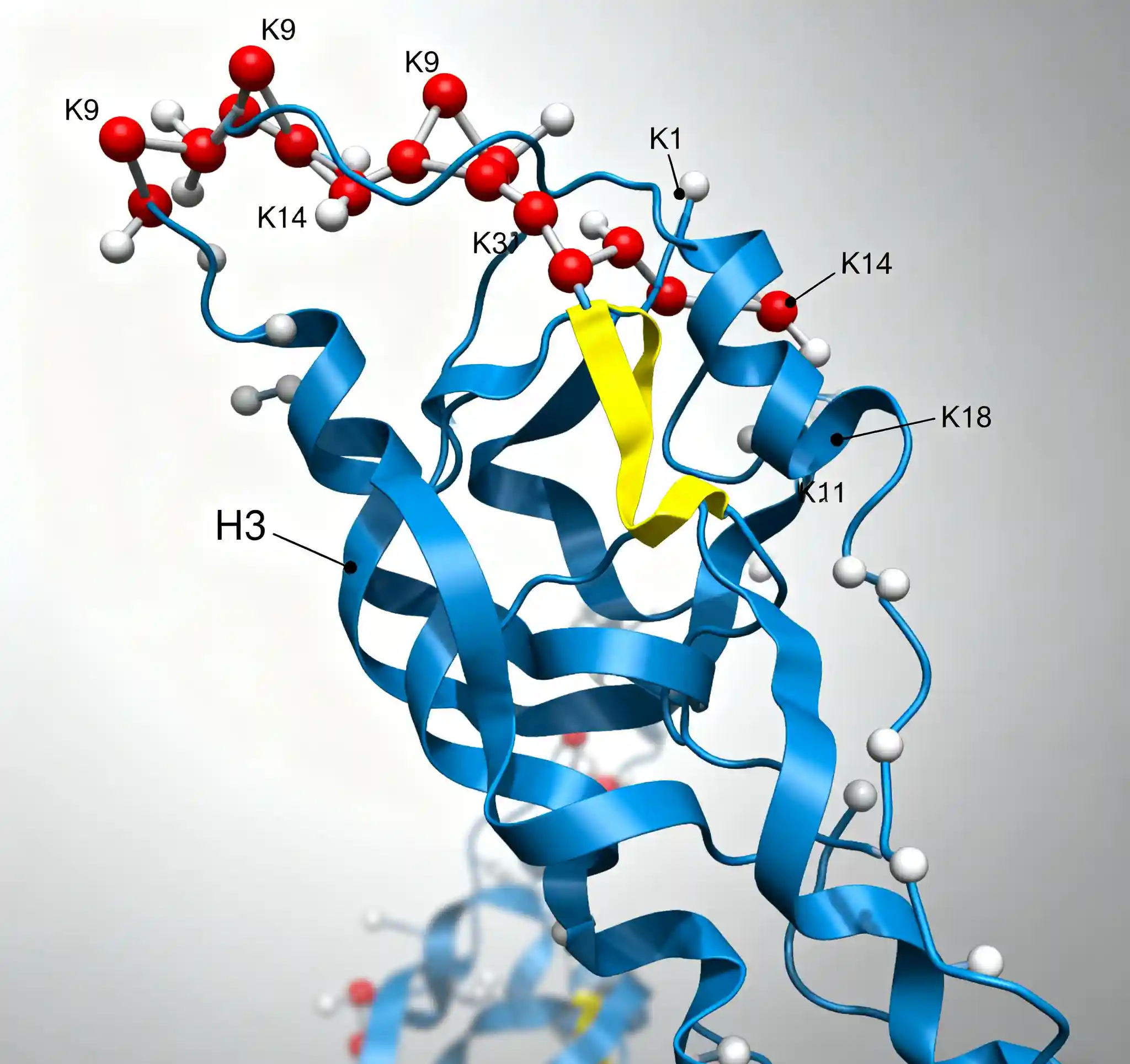
Acetyl-Histone H3/H4 In eukaryotic nuclei, ~150 bp of DNA is wrapped around the histone octamer, which consists of two copies of four core histones (i.e., H2A, H2B, H3, and H4) to form a nucleosome, the fundamental unit of chromatin. Post-translational modifications on these histones play a critical role in genome function, including the regulation of transcription and the maintenance of genome integrity [1]. Since H3 and H4 are more stably integrated into nucleosomes compared to H2A and H2B , the modifications on H3 and H4 can act as long-term memory of epigenetic regulation[2].