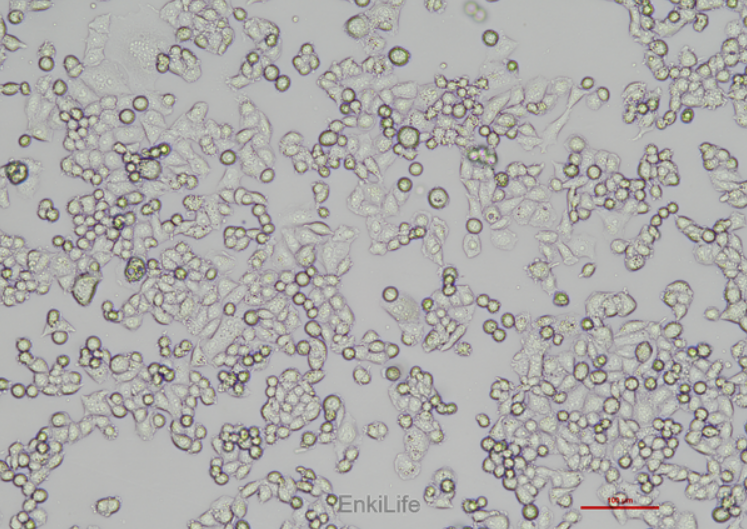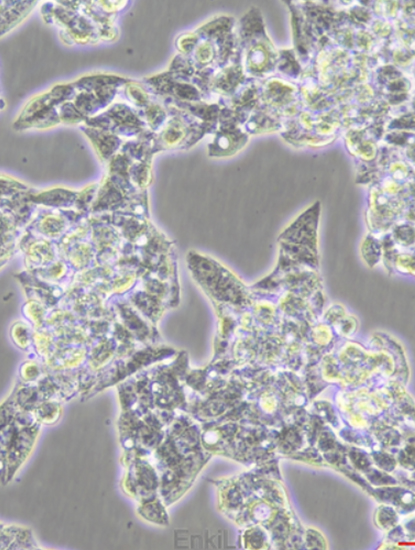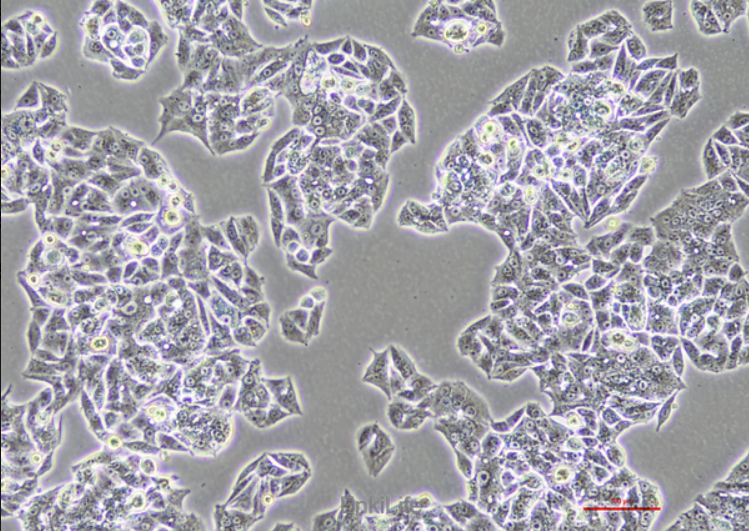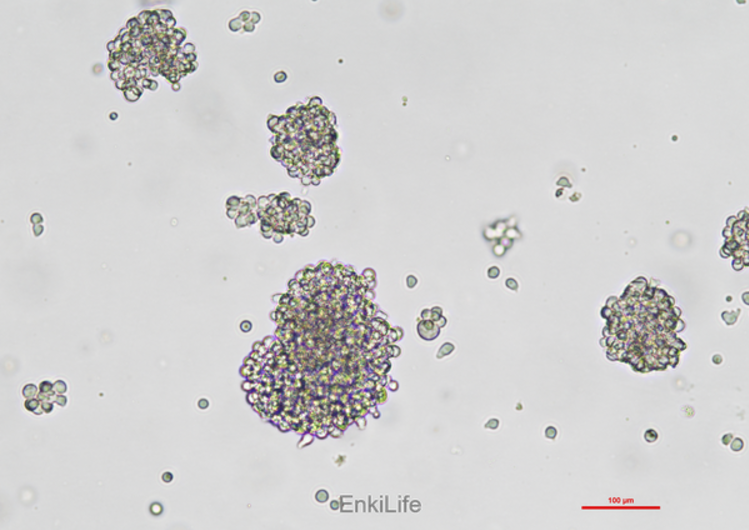
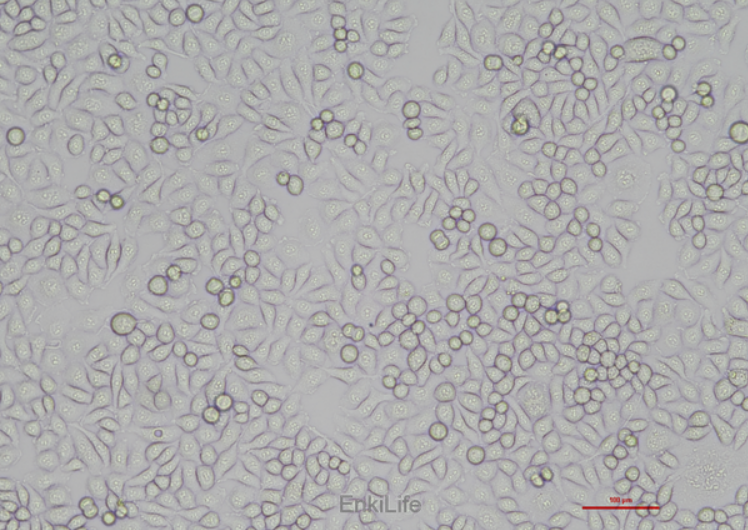
Human cervical cancer cell HeLa
HeLa, a human cervical cancer cell line, is a non diploid epithelioid cell line isolated from cervical cancer tissue of a 31 year old black female patient in 1951.. Research has confirmed that HeLa cell lines carry HPV-18 sequences, and their genomes exhibit specific structural features such as mutations, deletions, and HapA/HapB regions, which can be clearly detected through high-throughput sequencing. HPV-18 affects the biological characteristics of HeLa cells by integrating into their chromosomes: E6 protein inhibits p53 activity, alters microRNA expression, and is also regulated by Cyclin E/CDK2 to affect DNA replication efficiency. In addition, this sequence may cross contaminate other cell lines, providing important models and evidence for HPV carcinogenesis mechanisms, cervical cancer research, and related drug development.