

Alternative Names
Proprotein Convertase Subtilisin/Kexin Type 9; Neural Apoptosis-Regulated Convertase 1; NARC-1; Proprotein Convertase 9; PC9; Subtilisin/Kexin-Like Protease PC9; PCSK9; NARC1
Background
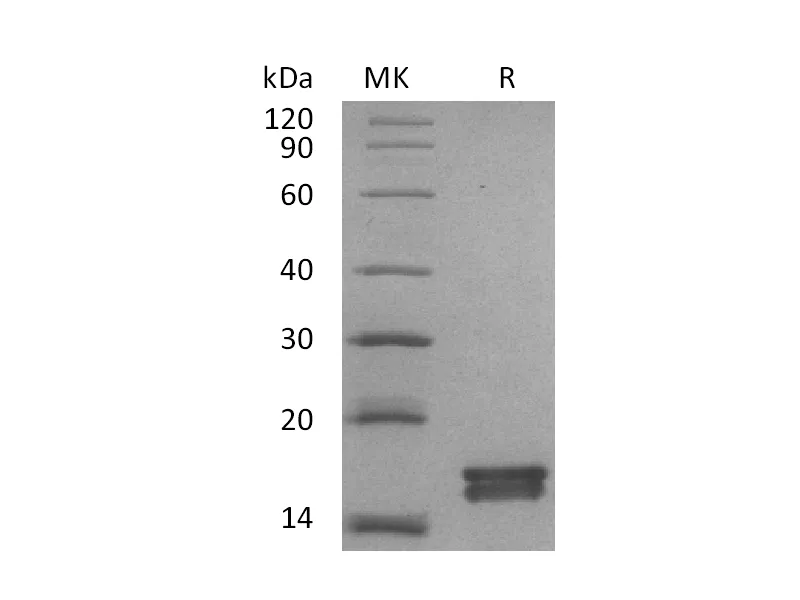
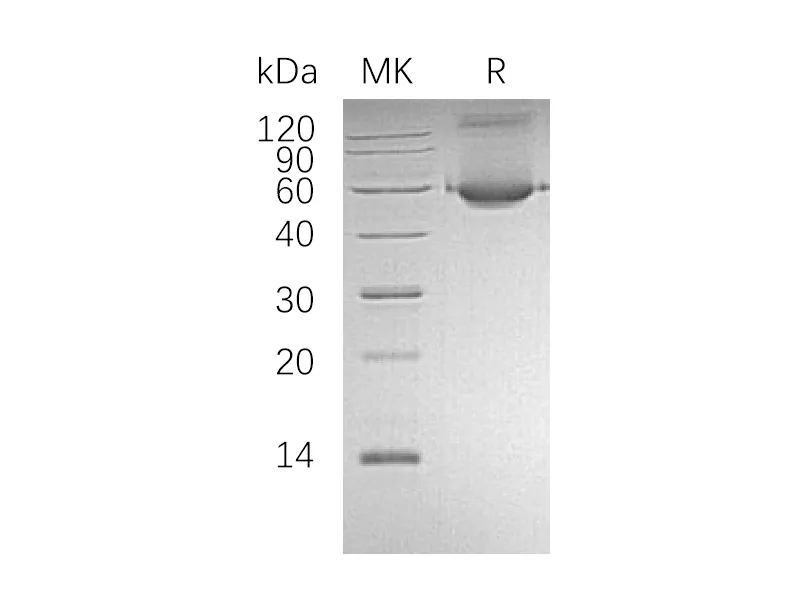
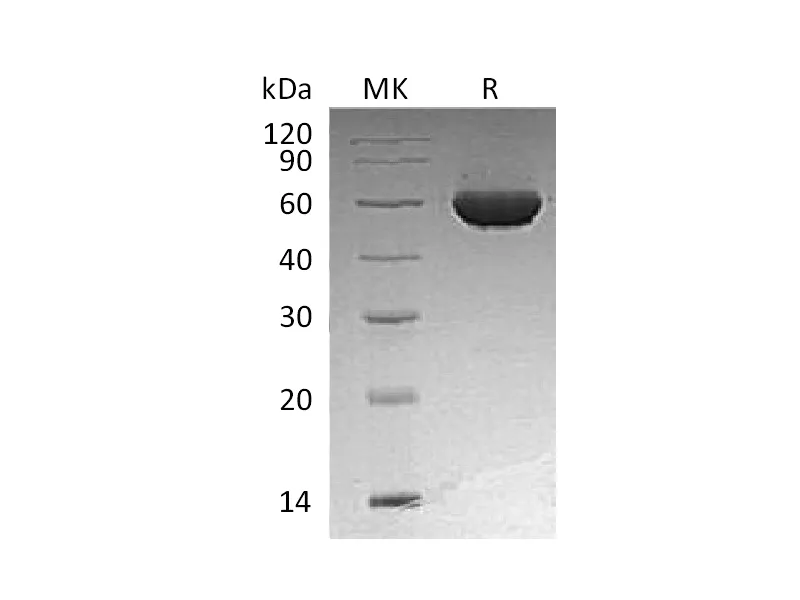
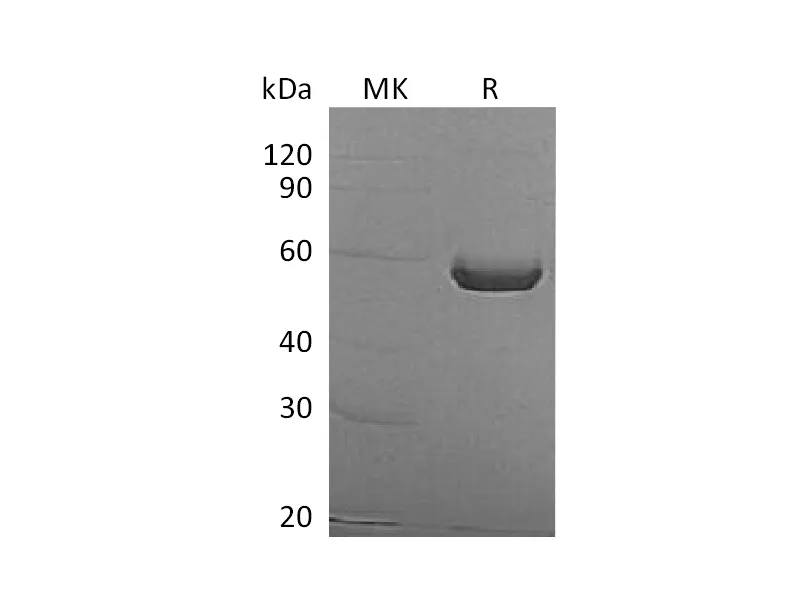
Recombinant Human Proprotein Convertase Subtilisin/Kexin Type 9/PCSK9 (D374Y) is a gain of function mutant of human PCSK9 protein. Human PCSK9 is a secretory subtilase belonging to the proteinase K subfamily. PCSK9 is synthesized as a soluble zymogen that undergoes autocatalytic intramolecular processing in the ER, the pro domain and mature chain are secreted together through noncovalent interactions. PCSK9 binds with low-density lipoprotein receptor (LDLR) and it plays a major regulatory role in cholesterol homeostasis. Inhibition of PCSK9 function by preventing PCSK9/LDLR interaction is currently being explored as a means of lowering cholesterol levels. PCSK9 also binds to apolipoprotein receptor 2 (ApoER2), and play a role in the neural development.
Note
For Research Use Only , Not for Diagnostic Use.