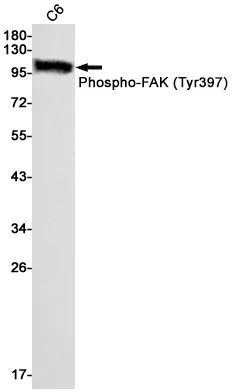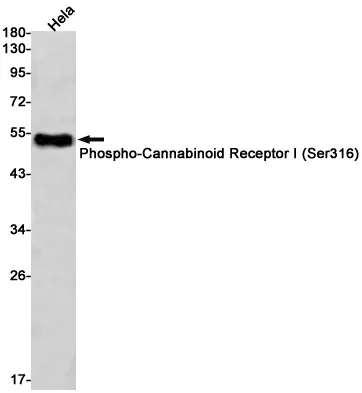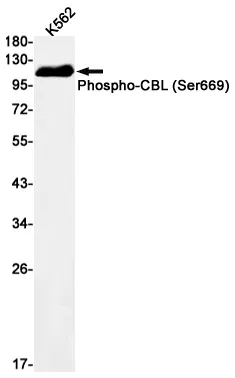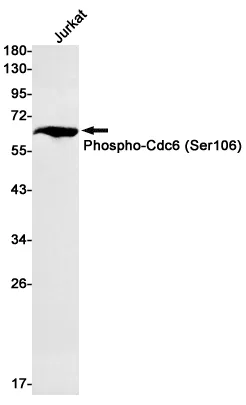



Summary
Performance
Immunogen
Application
Background
Plays important roles in the innate immune response as effector of glucocorticoid-mediated responses and regulator of the inflammatory process. Has anti-inflammatory activity (PubMed:8425544). Plays a role in glucocorticoid-mediated down-regulation of the early phase of the inflammatory response . Promotes resolution of inflammation and wound healing (PubMed:25664854). Functions at least in part by activating the formyl peptide receptors and downstream signaling cascades (PubMed:15187149, PubMed:25664854). Promotes chemotaxis of granulocytes and monocytes via activation of the formyl peptide receptors (PubMed:15187149). Contributes to the adaptive immune response by enhancing signaling cascades that are triggered by T-cell activation, regulates differentiation and proliferation of activated T-cells (PubMed:17008549). Promotes the differentiation of T-cells into Th1 cells and negatively regulates differentiation into Th2 cells (PubMed:17008549). Has no effect on unstimulated T cells (PubMed:17008549). Promotes rearrangement of the actin cytoskeleton, cell polarization and cell migration (PubMed:15187149). Negatively regulates hormone exocytosis via activation of the formyl peptide receptors and reorganization of the actin cytoskeleton (PubMed:19625660). Has high affinity for Ca2+ and can bind up to eight Ca2+ ions . Displays Ca2+-dependent binding to phospholipid membranes (PubMed:2532504, PubMed:8557678). Plays a role in the formation of phagocytic cups and phagosomes. Plays a role in phagocytosis by mediating the Ca2+-dependent interaction between phagosomes and the actin cytoskeleton .
Research Area
Signal Transduction