


Alternative Names
Myeloperoxidase; MPO
Background
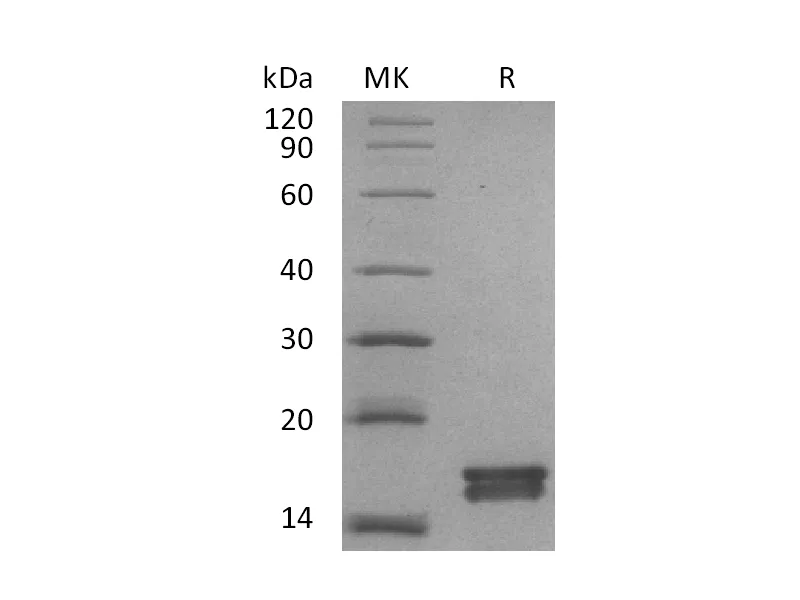
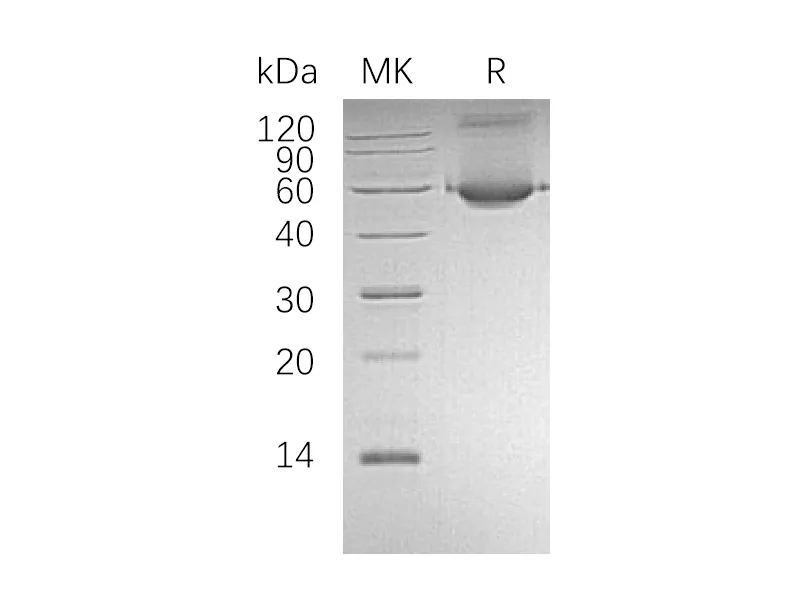
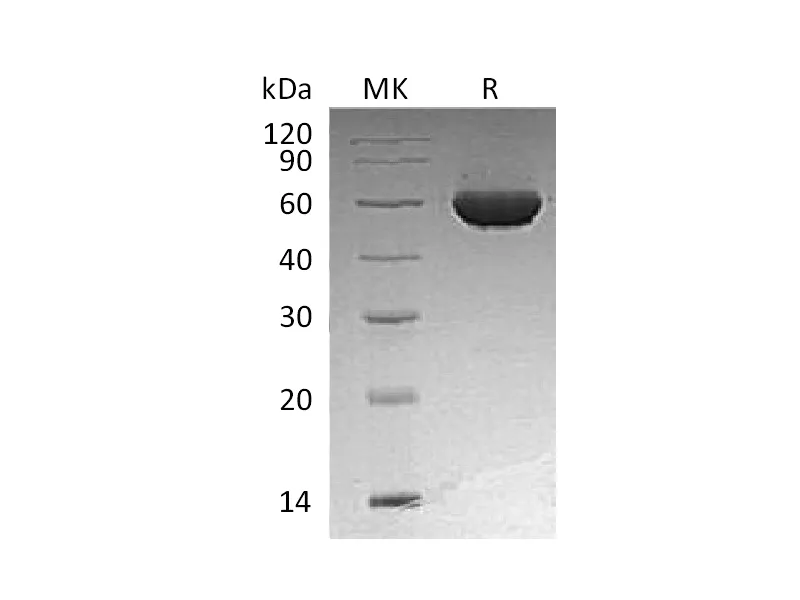
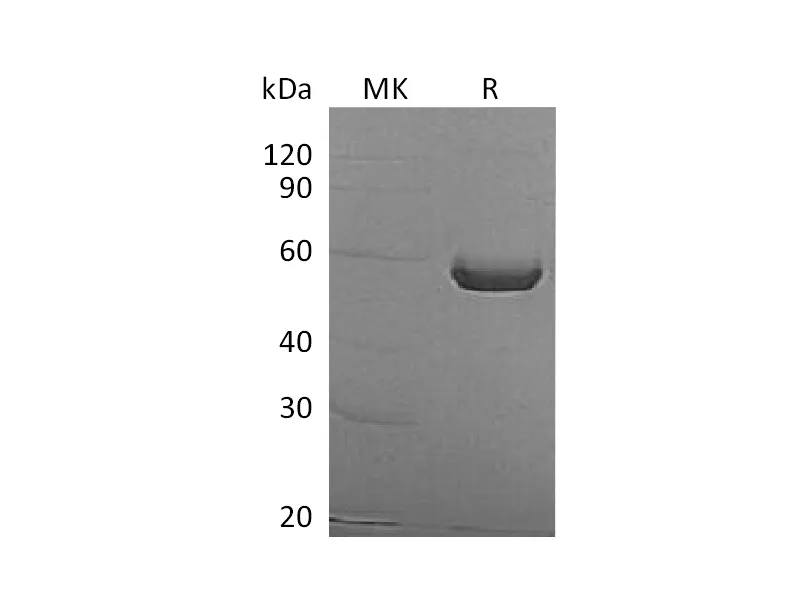
Myeloperoxidase (MPO) is a heme-containing enzyme belonging to the XPO subfamily of peroxidases. It is an abundant neutrophil and monocyte glycoprotein that catalyzes the hydrogen peroxide-dependent conversion of chloride, bromide, and iodide to multiple reactive species. Post-translational processing of MPO involves the insertion of a heme moiety and the proteolytic removal of both a propeptide and a 6 aa internal peptide. This results in a disulfide-linked dimer composed of a 60 kDa heavy and 12 kDa light chain that associate into a 150 kDa enzymatically active tetramer. The tetramer contains two heme groups and one disulfide bond between the heavy chains. Alternate splicing generates two additional isoforms of MPO, one with a 32 aa insertion in the light chain, and another with a deletion of the signal sequence and part of the propeptide. Human and mouse MPO share 87% aa sequence identity. MPO activity results in protein nitrosylation and the formation of 3-chlorotyrosine and dityrosine crosslinks. MPO is also associated with a variety of other diseases, and inhibits vasodilation in inflammation by depleting the levels of NO. Serum albumin functions as a carrier protein during MPO movement to the basolateral side of epithelial cells. MPO is stored in neutrophil azurophilic granules. Upon cellular activation, it is deposited into pathogen-containing phagosomes.
Note
For Research Use Only , Not for Diagnostic Use.